
MAY : 2026
May 2026 - Projects
Total projects: 59
May 2026 was a month defined less by a single breakthrough and more by the growing maturity of the AI ecosystem as a whole.
Across video generation, creative tools, open models, autonomous agents, robotics, scientific research, and spatial computing, the focus continued shifting from isolated capabilities toward complete workflows. Many of this month's most interesting releases were not simply larger models or better benchmarks, but systems designed to help creators, researchers, developers, and organizations accomplish real-world tasks more effectively.
A recurring theme throughout May was control. Video tools became more precise, image editing systems offered deeper creative direction, agents gained stronger reasoning abilities, and robotics projects moved closer to practical deployment. At the same time, open-source communities continued expanding access to advanced AI capabilities through increasingly capable models and frameworks.
This roundup highlights 59 notable projects, releases, and research initiatives that stood out during May 2026. Together they provide a snapshot of an industry rapidly evolving from experimentation toward production-ready systems, where the question is no longer simply what AI can generate, but how people can work alongside it.
Higgsfield Supercomputer
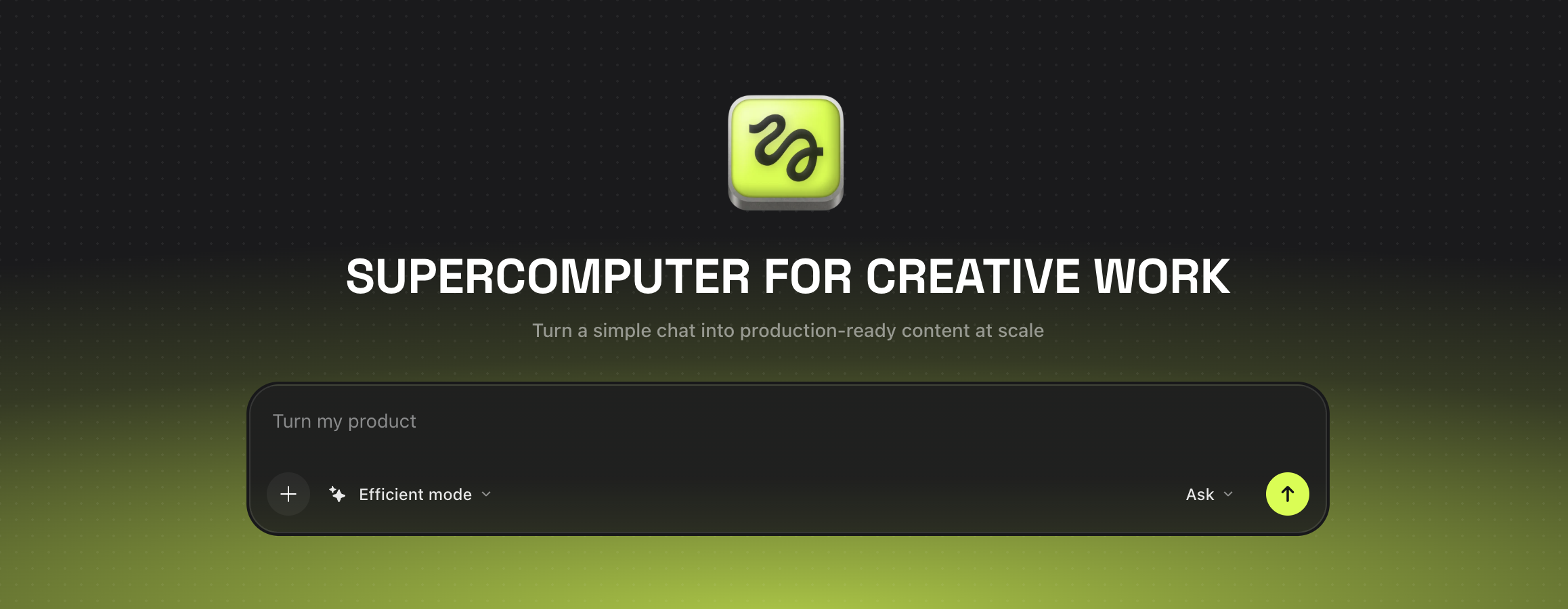
One of the most talked-about AI video releases of the month. Higgsfield focuses on cinematic camera control, advanced shot design, and creator-friendly production workflows, highlighting the industry's shift from video generation toward AI-assisted filmmaking.
OmniShotCut
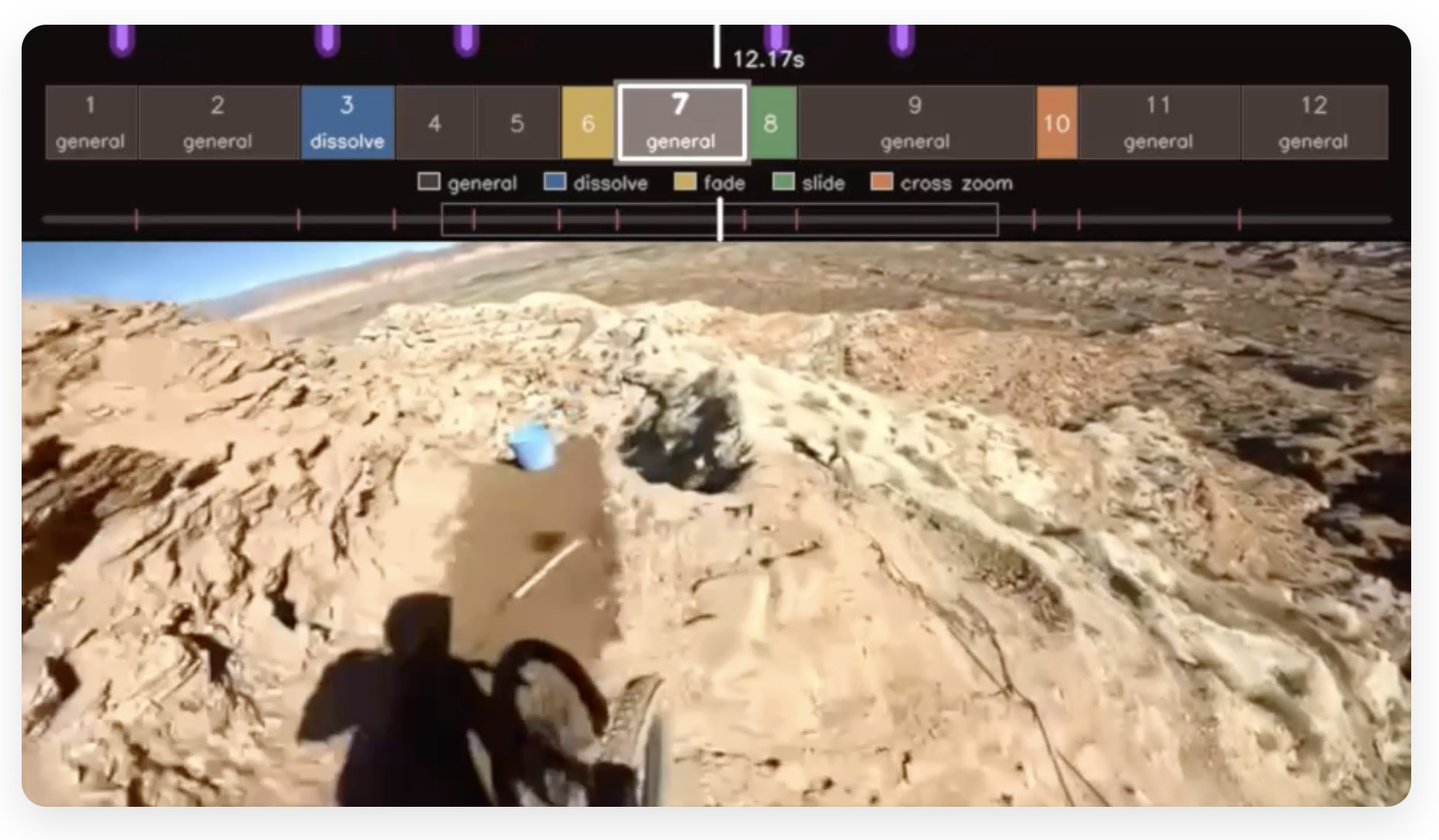
A research project focused on controllable video editing and shot generation. Rather than generating entirely new clips, OmniShotCut explores ways to guide camera motion and scene composition more precisely.
LongCat Video Avatar 1.5

An avatar generation system designed to create more controllable and realistic digital characters. Projects like LongCat continue pushing AI-generated presenters, educators, and virtual personalities closer to production-ready quality.
FashionChameleon
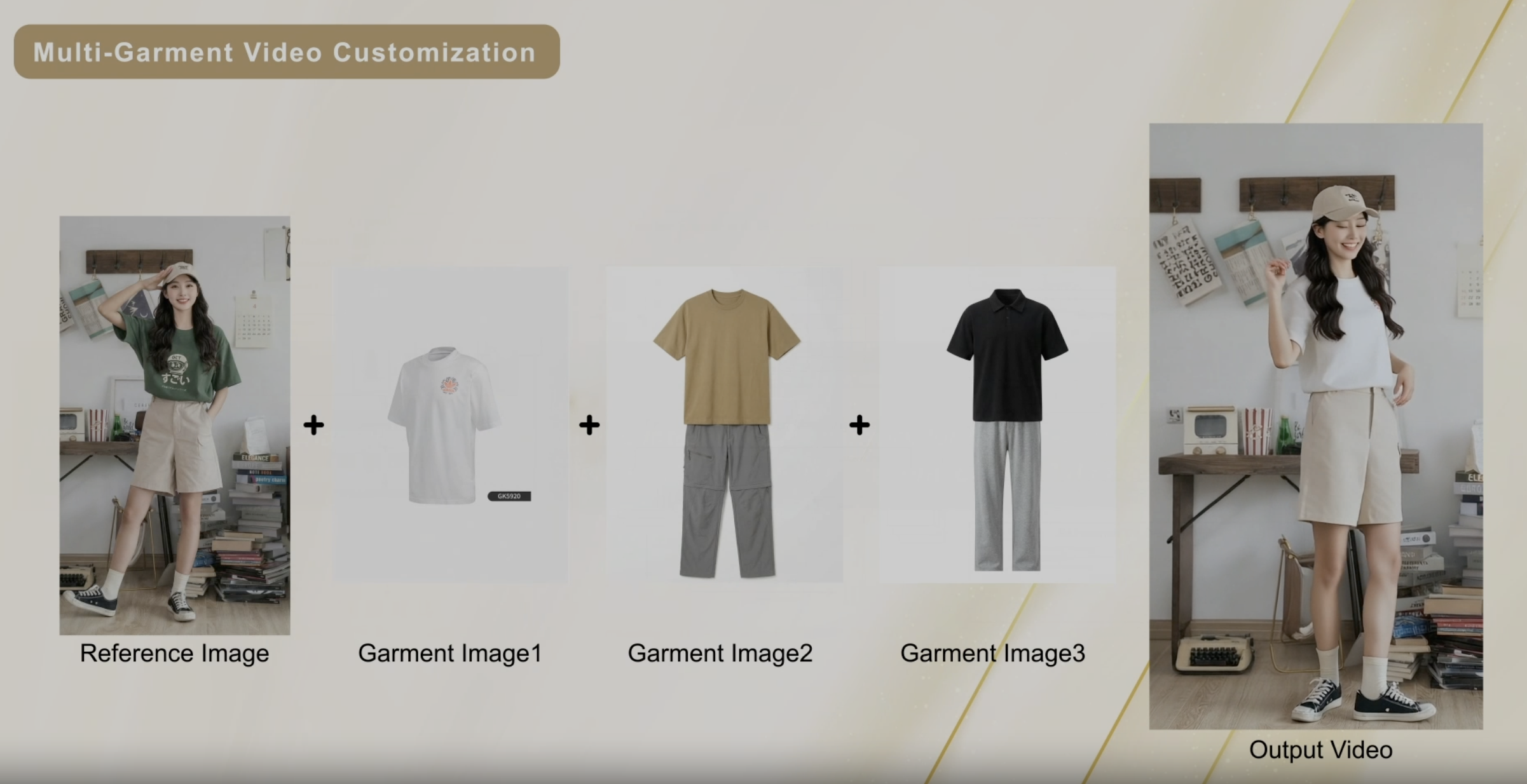
A controllable fashion transformation system capable of modifying clothing and appearance while preserving identity. It demonstrates how AI editing tools are becoming increasingly useful for practical design workflows.
CogOmniControl
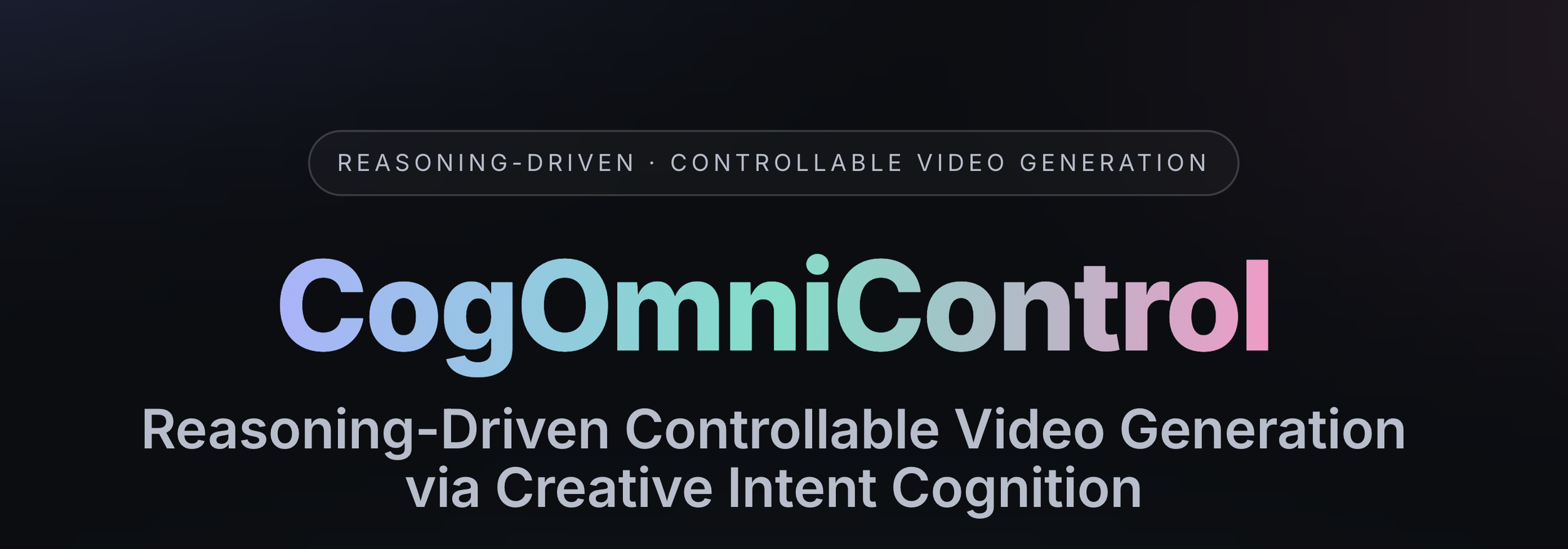
A framework for controlling human motion and behavior within generated video. This type of technology is becoming increasingly important as AI video moves beyond generation and into direction and performance control.
InstructAV2AV

A multimodal editing system that allows users to modify audio-visual content using natural language instructions. It highlights the growing trend toward conversational media editing.
MoCapAnything V2
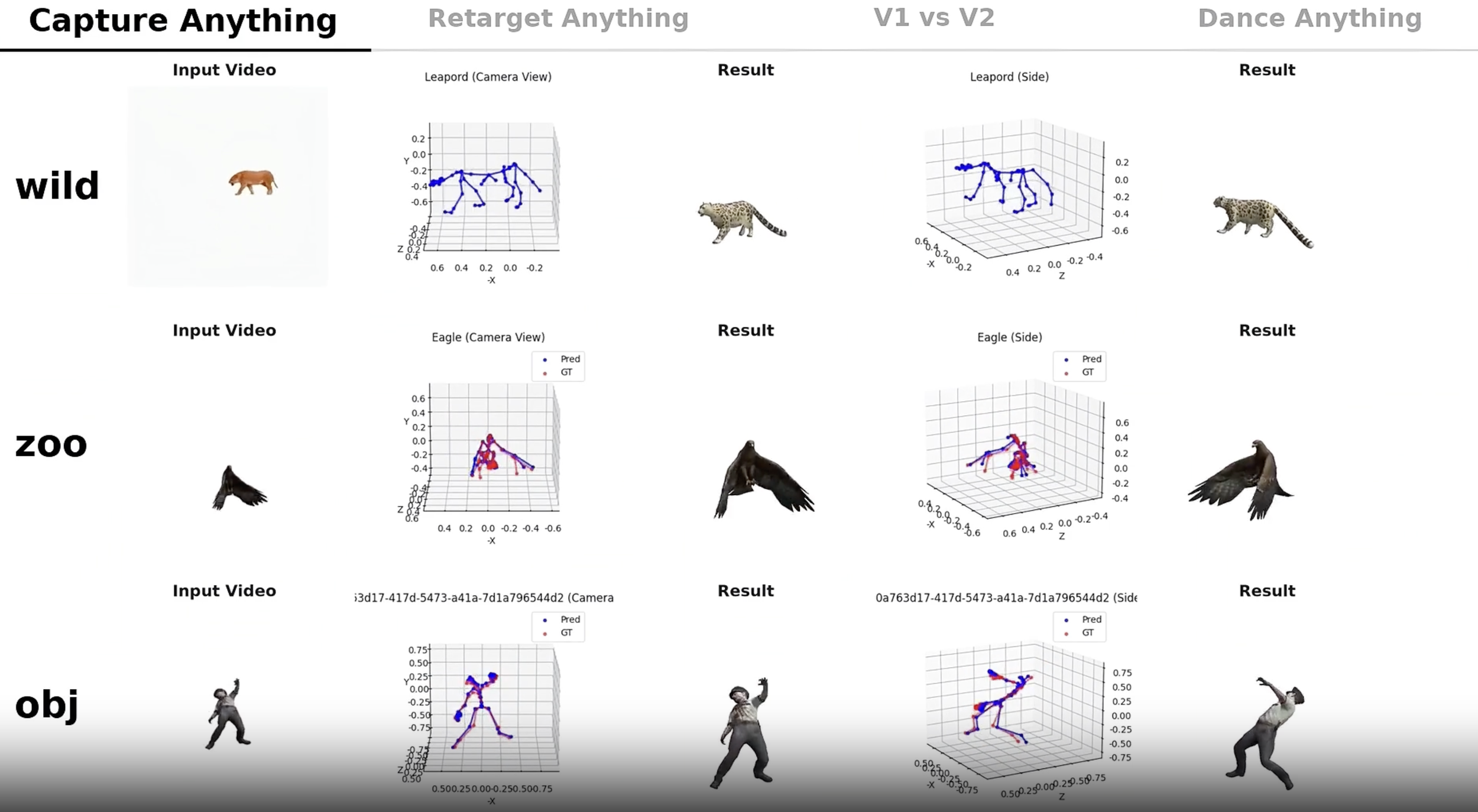
A motion capture system that reduces the need for specialized capture hardware. By extracting motion directly from video, it lowers the barrier to animation, virtual production, and character creation.
Z-Anime

A specialized image generation model focused on anime-style content. It reflects the continued growth of niche and highly optimized open-source models.
ControlLight
An AI lighting-control system designed to manipulate scene illumination after generation. Lighting remains one of the most important creative controls in visual production, making tools like this particularly valuable.
PixL-Relight
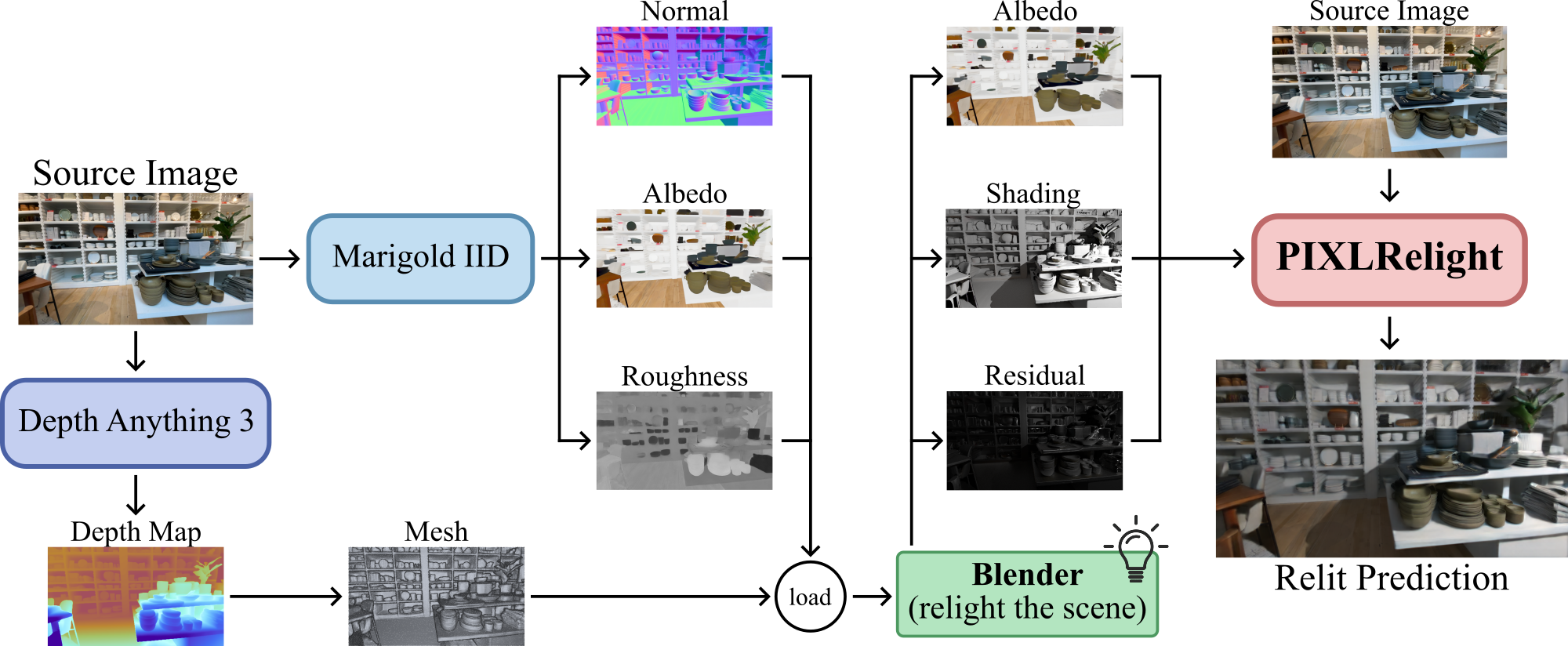
A relighting framework capable of adjusting illumination while preserving scene structure. It represents another step toward professional-grade AI image editing workflows.
SEGA

A visual editing framework focused on structured image manipulation and transformation. Projects like SEGA demonstrate the growing demand for controllable editing rather than pure generation.
HappyHorse

A more consumer-focused AI character project exploring interactive personalities and digital companions. While less research-oriented, it reflects the growing commercialization of AI agents and virtual characters.
Qwen 3.7
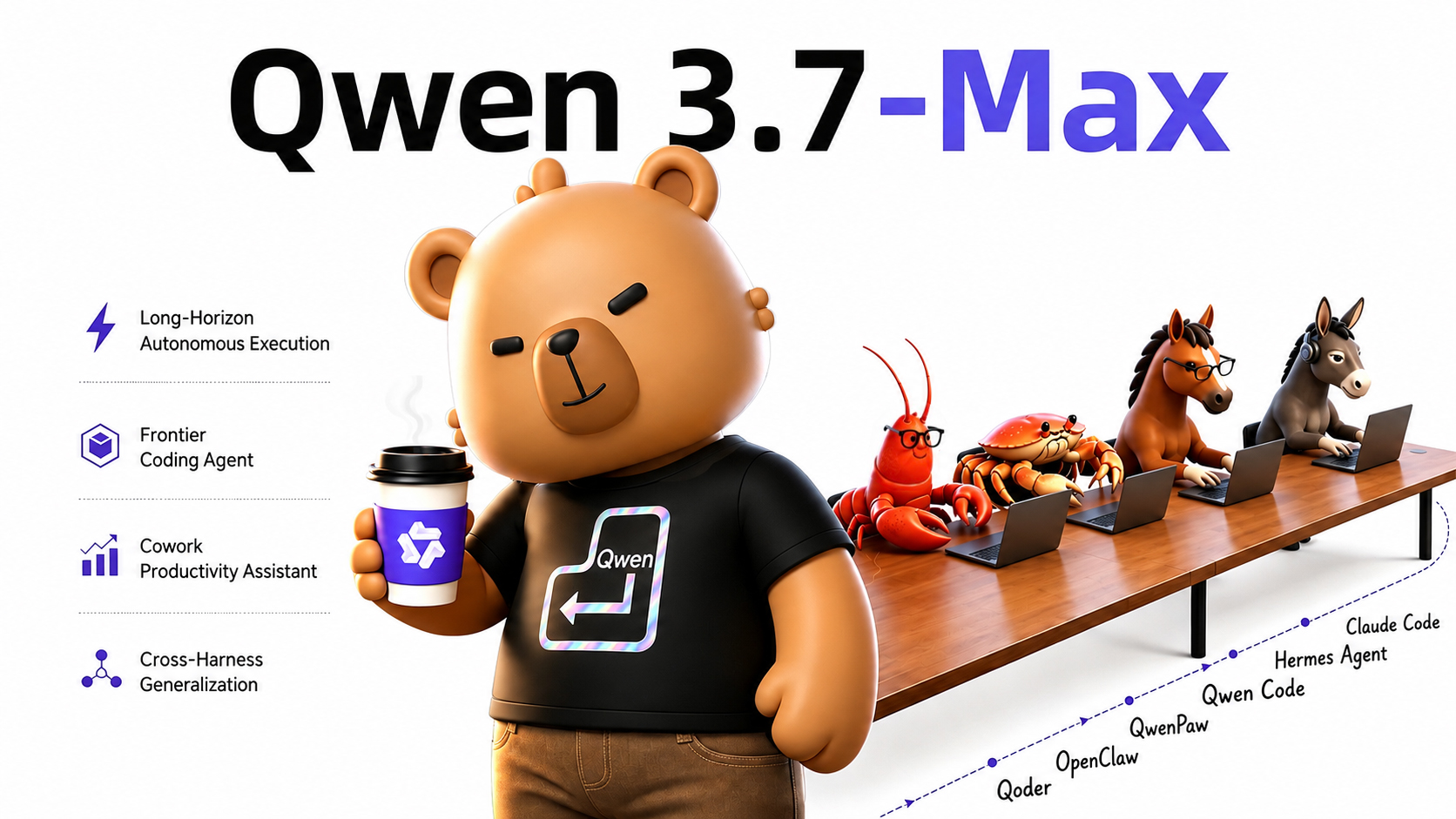
One of the most significant open model releases of May. Alibaba continues pushing the Qwen ecosystem forward with improvements in reasoning, multilingual understanding, and deployment flexibility.
Qwen 3.5 LiveTranslate
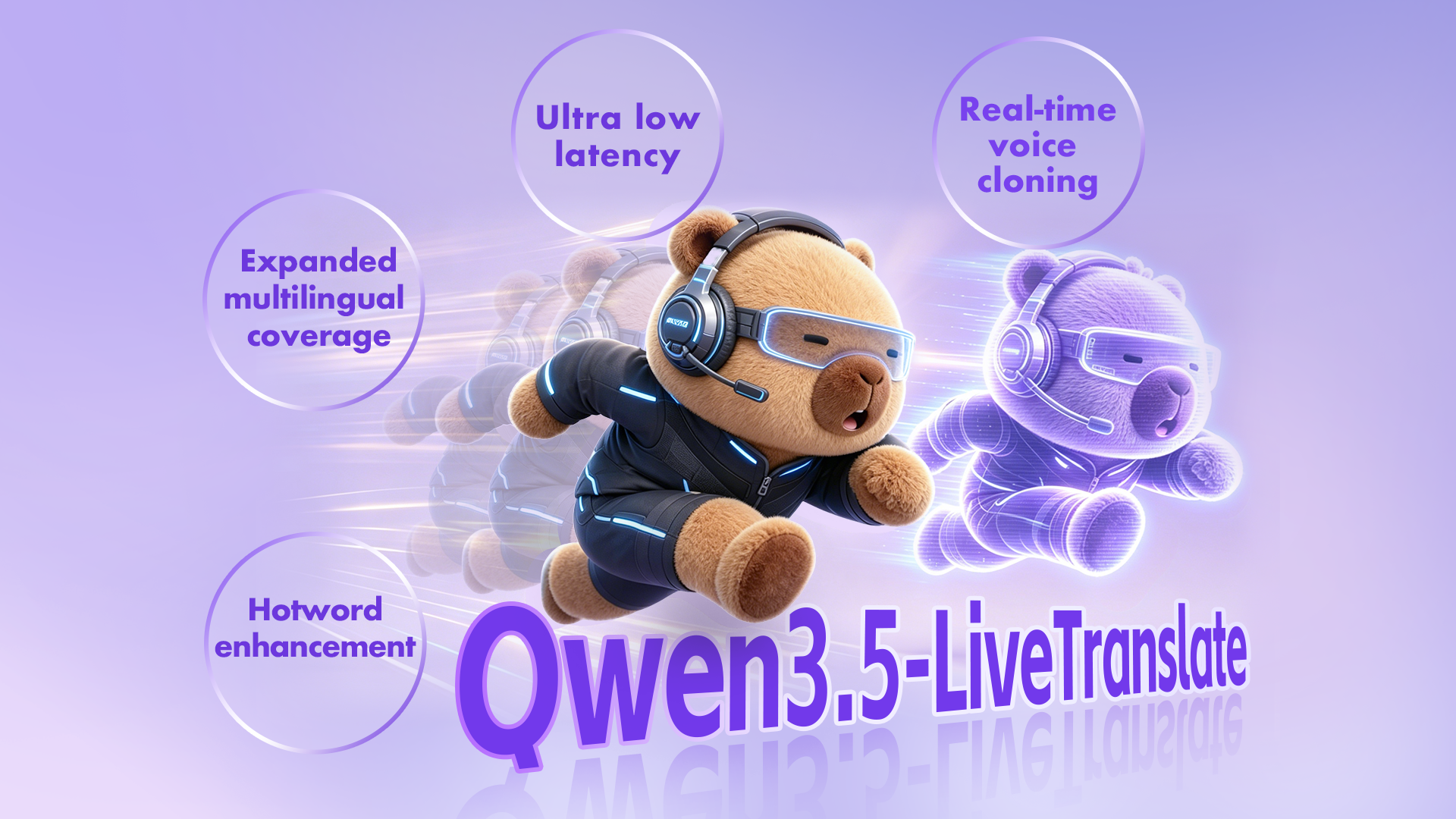
A real-time translation system built on the Qwen ecosystem. It demonstrates how language models are increasingly moving into practical communication and accessibility applications.
MiniCPM5-1B
A compact open model designed to deliver strong performance at a relatively small size. Smaller models remain important for local deployment and resource-constrained environments.
Marlin-2B
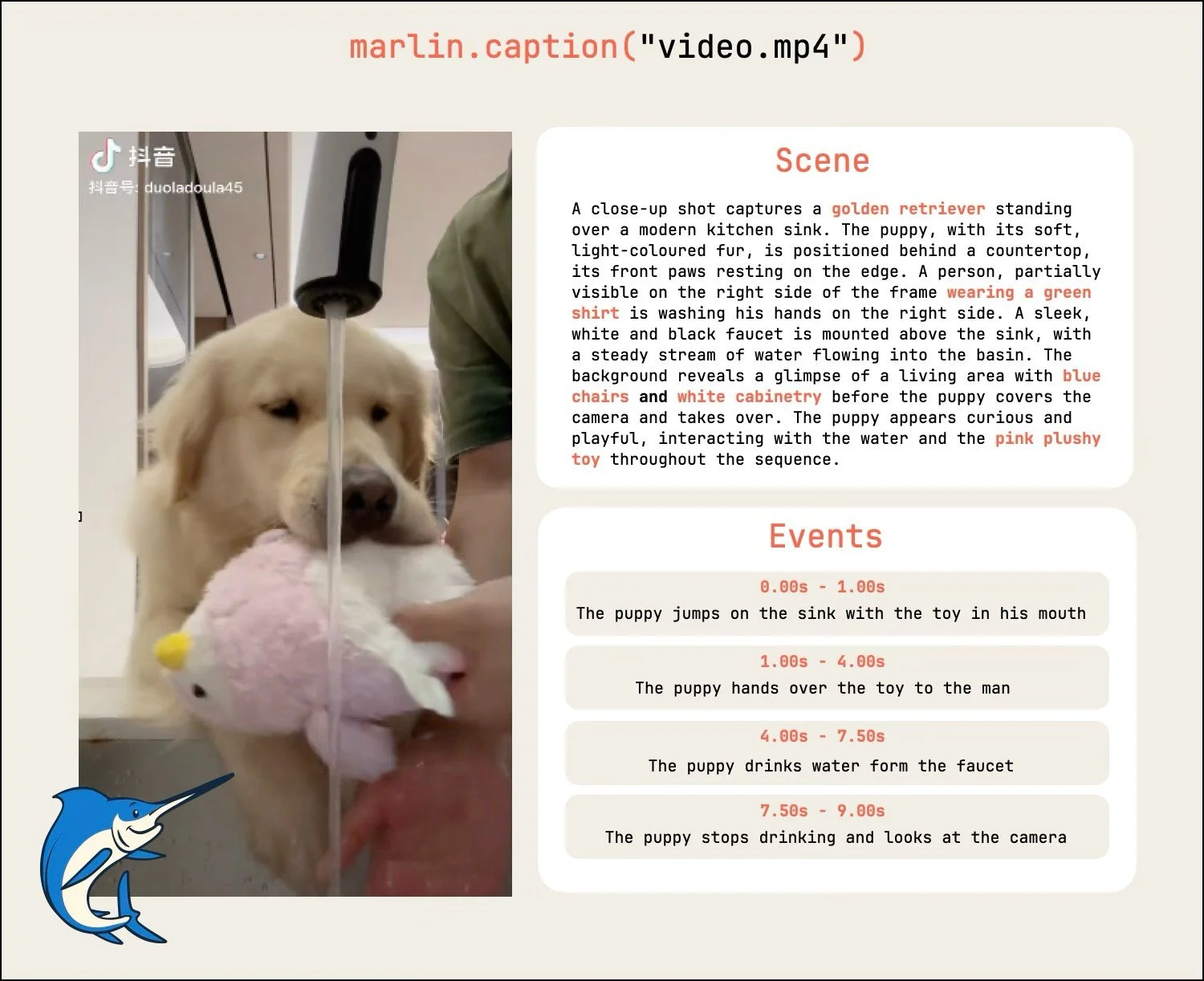
A lightweight open model focused on efficient deployment. Projects like Marlin show how much innovation is occurring outside the largest frontier-scale systems.
HY-MT2-30B-A3B
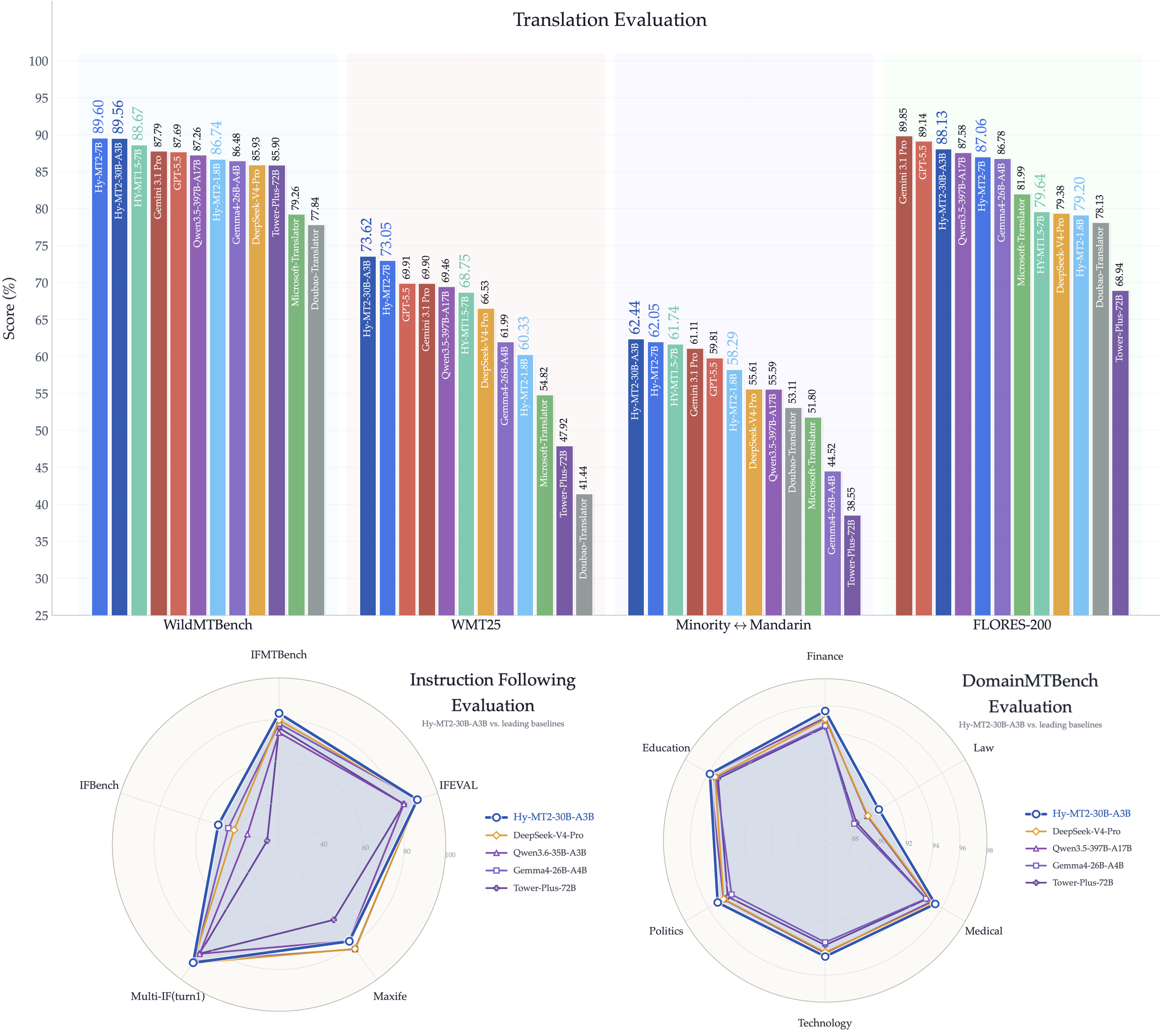
A large-scale multilingual model aimed at balancing capability and efficiency. It contributes to the growing diversity of the open model ecosystem.
Ling 2.6 Flash
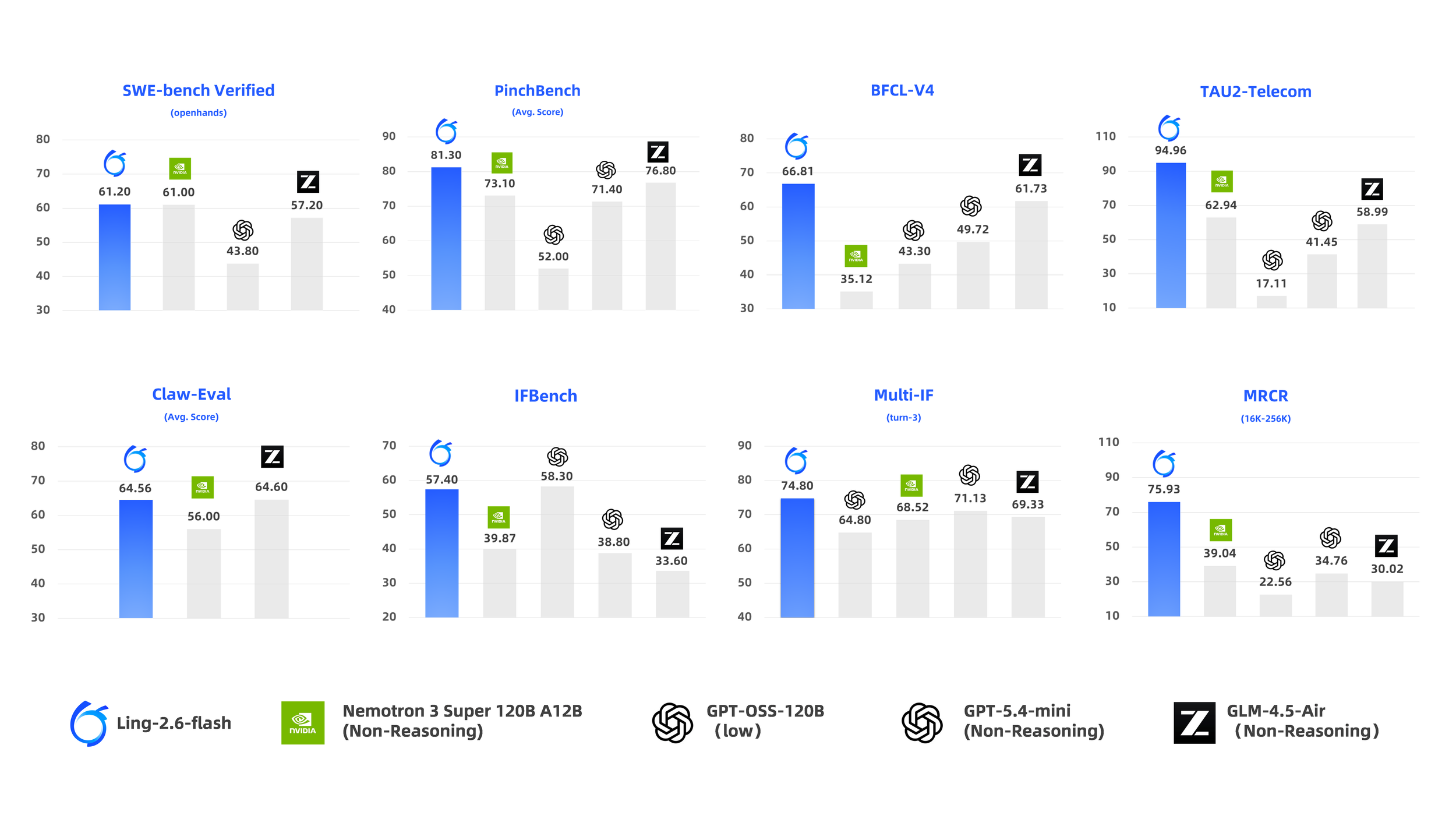
A fast inference-focused model optimized for responsive interactions. The release highlights the industry's continued focus on reducing latency and deployment costs.
SenseNova-U1
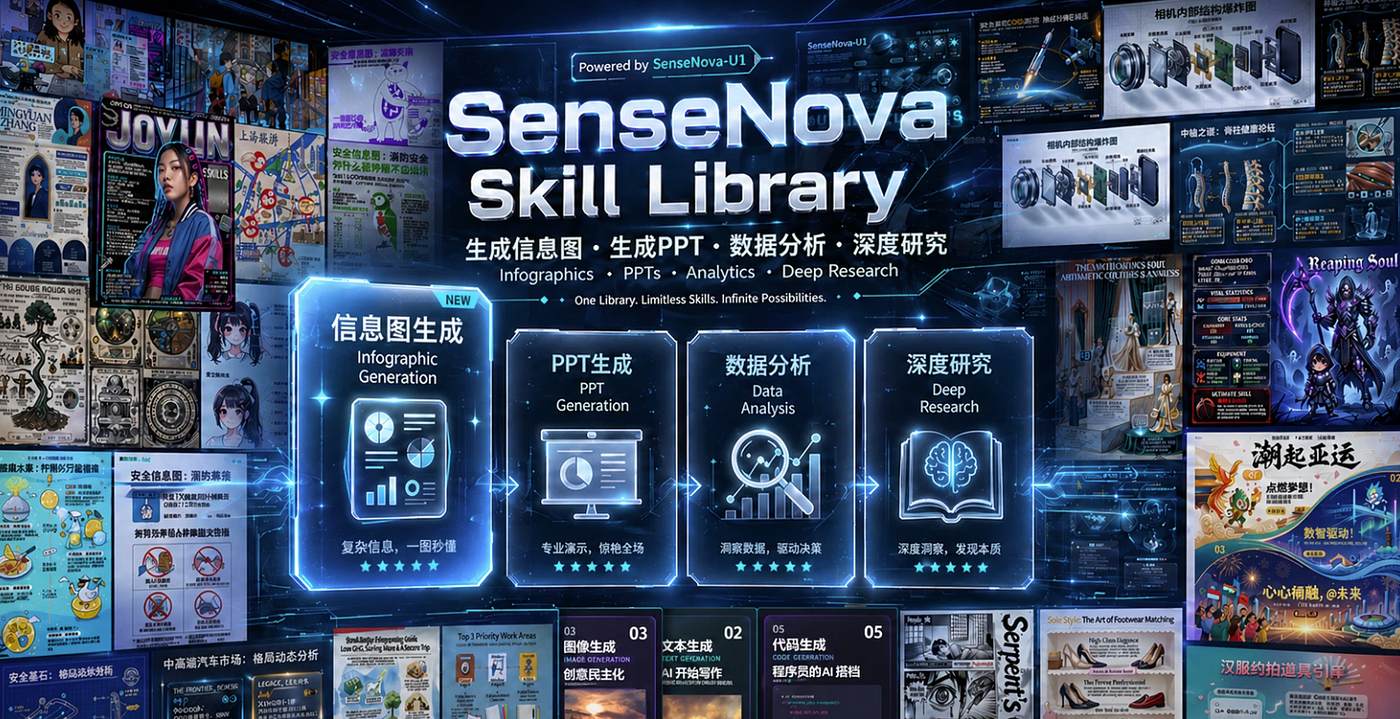
An open multimodal model designed for understanding and interacting across different data types. Multimodal systems remain one of the fastest-moving areas of AI research.
Step 3.7 Flash

A performance-oriented model release emphasizing speed and usability. The growing number of specialized models demonstrates how the ecosystem is diversifying beyond general-purpose assistants.
Nemotron Nano Omni
NVIDIA's compact multimodal model designed for agent reasoning and deployment efficiency. It showcases NVIDIA's increasing involvement in foundation model development.
Grok 4.3
xAI's latest iteration of Grok, continuing the company's push into competitive frontier AI systems. The release reflects the growing number of major players in the model landscape.
Tuna-2
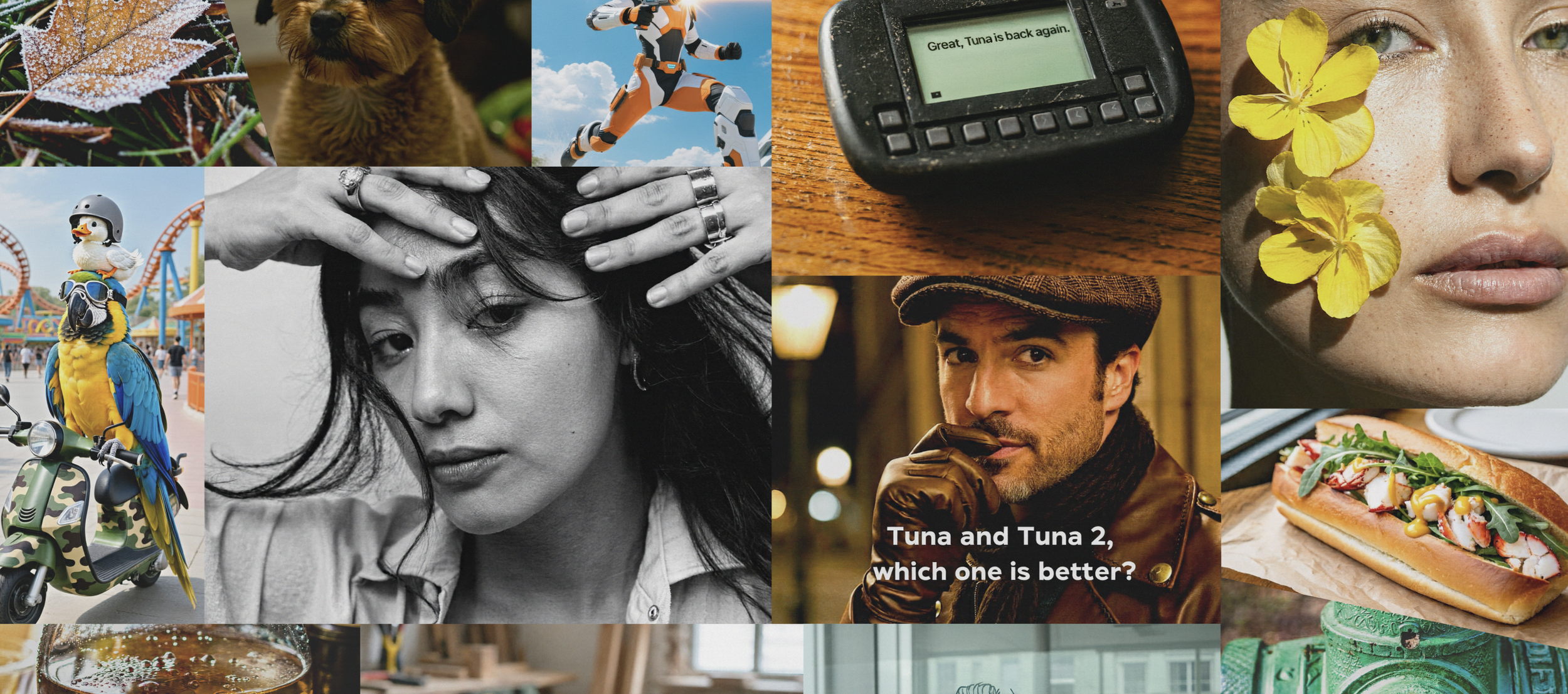
Tuna-2 is an open model project focused on improving reasoning and instruction-following performance while maintaining efficient deployment requirements. Releases like Tuna-2 demonstrate how smaller research teams continue contributing meaningful innovations to the open model ecosystem.
Lance
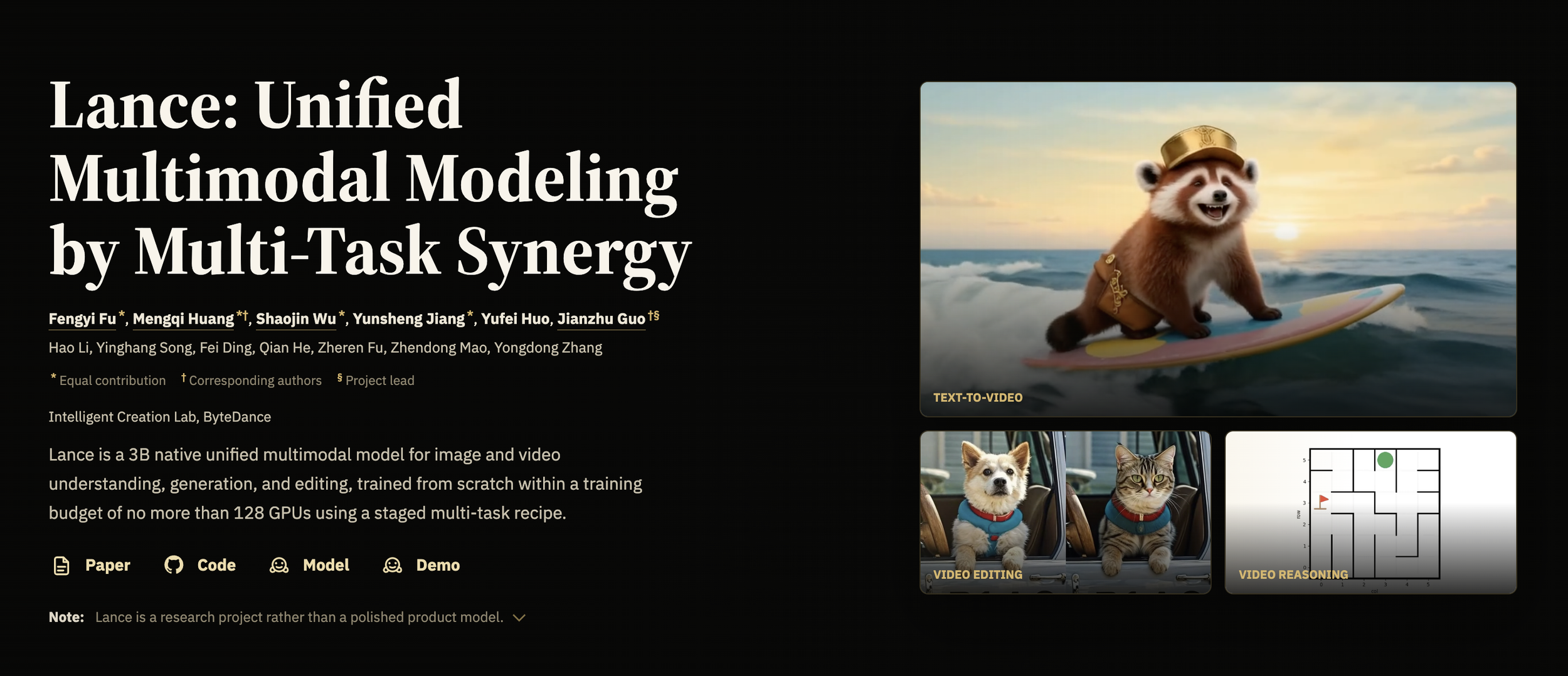
Lance is a multimodal agent framework designed to help AI systems work across different data types and workflows. Rather than focusing purely on conversation, Lance explores how agents can coordinate information, reason across modalities, and complete more structured tasks.
Merlin

Merlin continues the trend of packaging AI into practical productivity tools rather than standalone models. The platform focuses on helping users integrate AI into everyday workflows, making advanced capabilities more accessible to non-technical audiences.
Moonlake 3D Agent
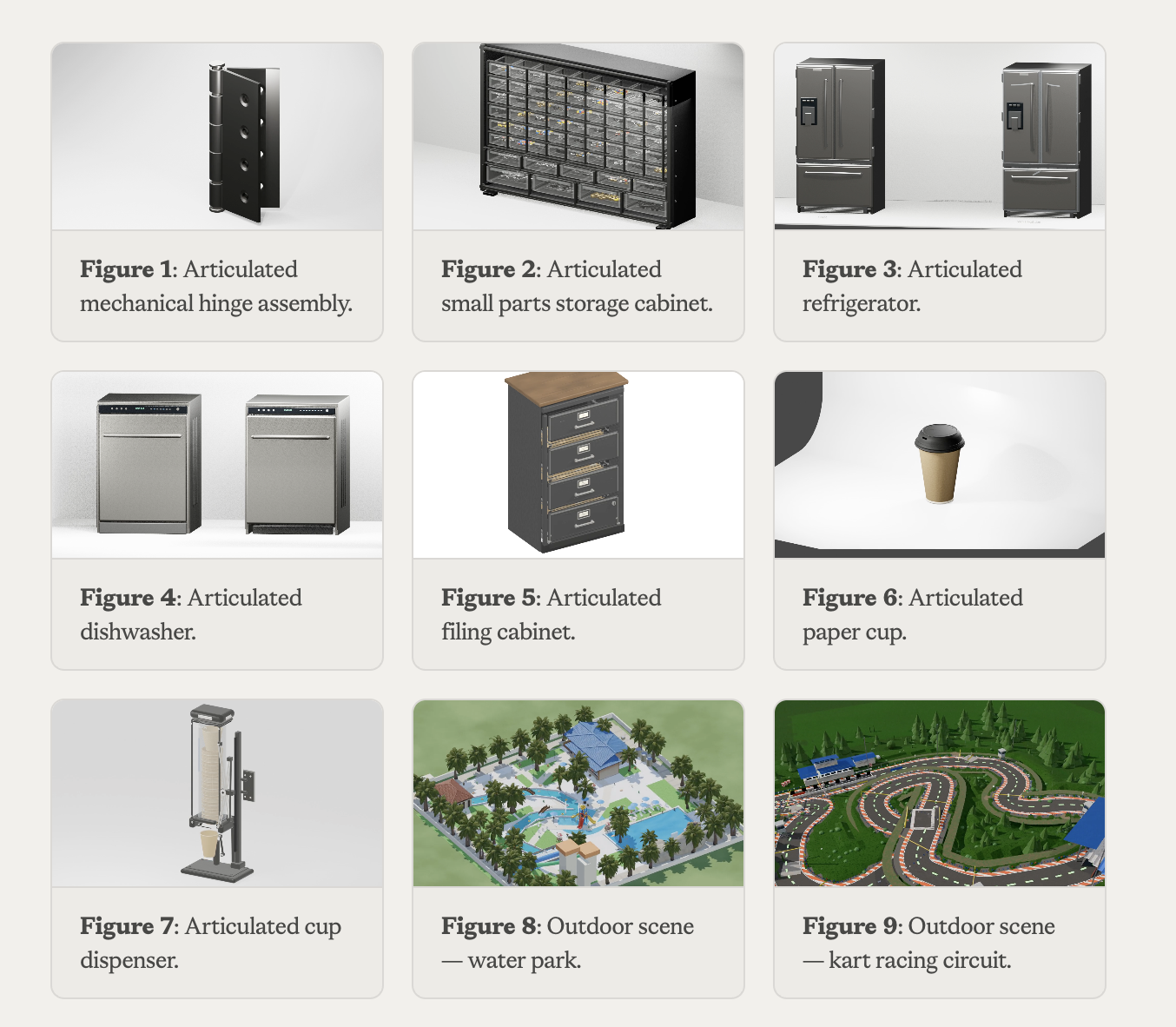
Moonlake 3D Agent explores how AI systems can understand and operate within three-dimensional environments. Projects like this are particularly relevant for game development, digital twins, robotics, and virtual production workflows.
Mistral Remote Agents
Mistral's Remote Agents initiative highlights the growing interest in AI systems that can interact with external tools and services. It represents another step toward agents that can actively perform tasks rather than simply generate responses.
Claude for Creative Work

Anthropic's work on creative workflows positions AI as a collaborator rather than a replacement for creators. The focus is on ideation, iteration, editing, and creative exploration, allowing users to stay in control of the process while benefiting from AI assistance.
Claude Opus 4.8

Claude Opus 4.8 continued Anthropic's push toward more capable reasoning and creative systems. Beyond benchmark performance, the release emphasized practical workflows where AI can assist with writing, planning, coding, and research.
DeepSWE
DeepSWE explores autonomous software engineering by allowing AI systems to plan, implement, evaluate, and improve code. It represents one of the clearest examples of the industry's move toward increasingly independent coding workflows.
Flash-GRPO
Flash-GRPO focuses on improving reinforcement learning efficiency and optimization strategies. Research like this is important because better training methods often have a larger long-term impact than individual model releases.
ReactiveGWM
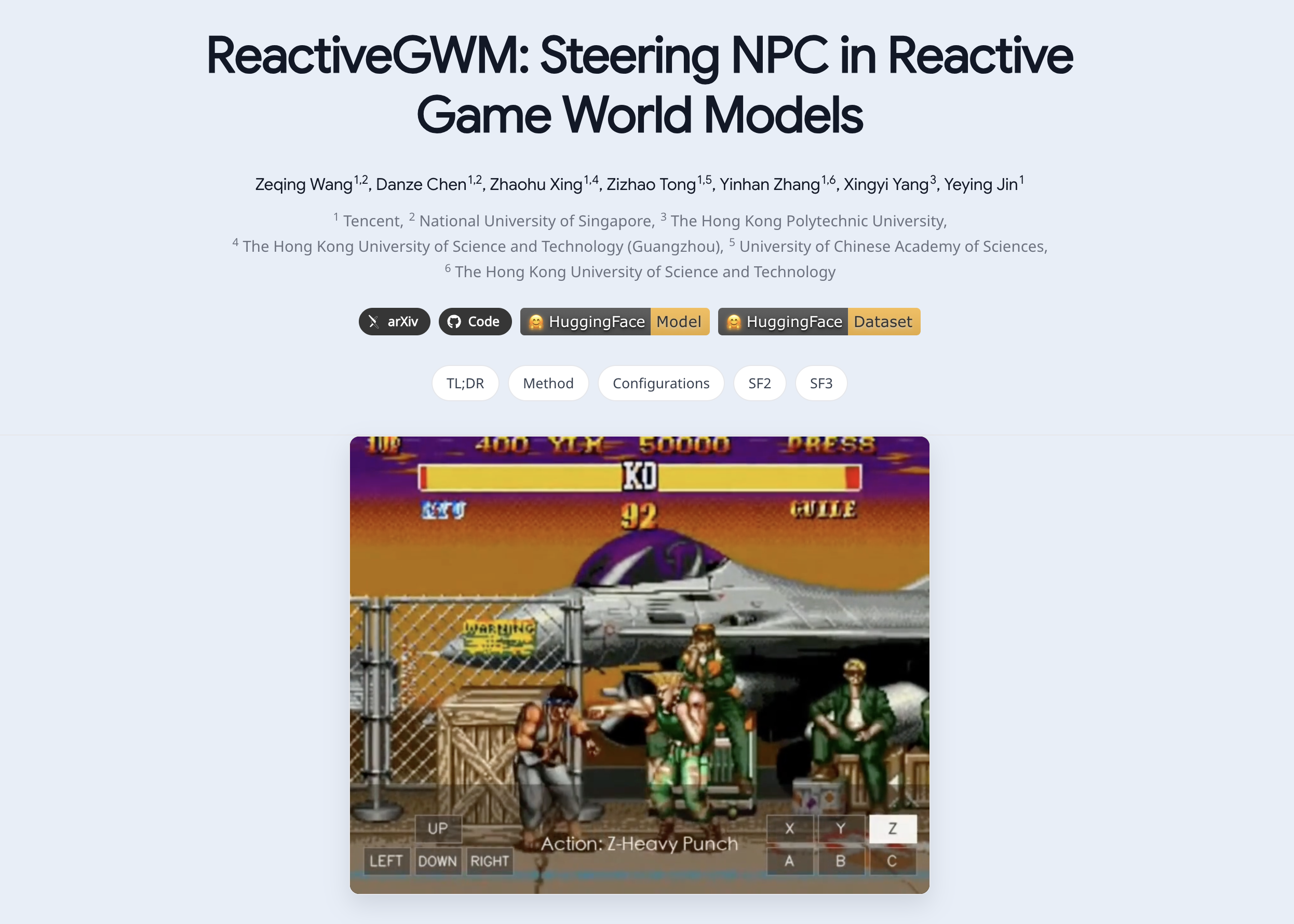
ReactiveGWM investigates adaptive world modeling, allowing AI systems to respond dynamically to changing environments. These capabilities become increasingly important as agents move beyond static tasks and into interactive systems.
L2P

L2P explores new approaches to learning and planning within AI systems. Research in this area aims to improve how models reason about complex tasks, make decisions, and adapt over time.
RecursiveMAS
RecursiveMAS examines recursive multi-agent systems where AI agents can coordinate, evaluate, and improve one another's work. The project reflects the growing trend toward collaborative AI workflows rather than isolated models.
Talkie

Talkie focuses on conversational AI experiences and interactive digital personalities. It highlights how voice and character-driven interfaces continue evolving beyond traditional chatbot interactions.
Co-Scientist

Google DeepMind's Co-Scientist was one of the most discussed research projects of the month. The system uses multiple AI agents to generate, evaluate, and refine scientific hypotheses, showcasing how AI may accelerate future research workflows.
AutoScientists
AutoScientists extends the concept of AI-assisted research by automating parts of the scientific discovery process. The project demonstrates how iterative evaluation and refinement can be applied to research problems.
Carbon Demo

The Carbon Demo from Hugging Face Bio explores how AI can assist with biological research and scientific modeling. It serves as an example of how machine learning is increasingly moving into specialized scientific domains.
ML-LITO
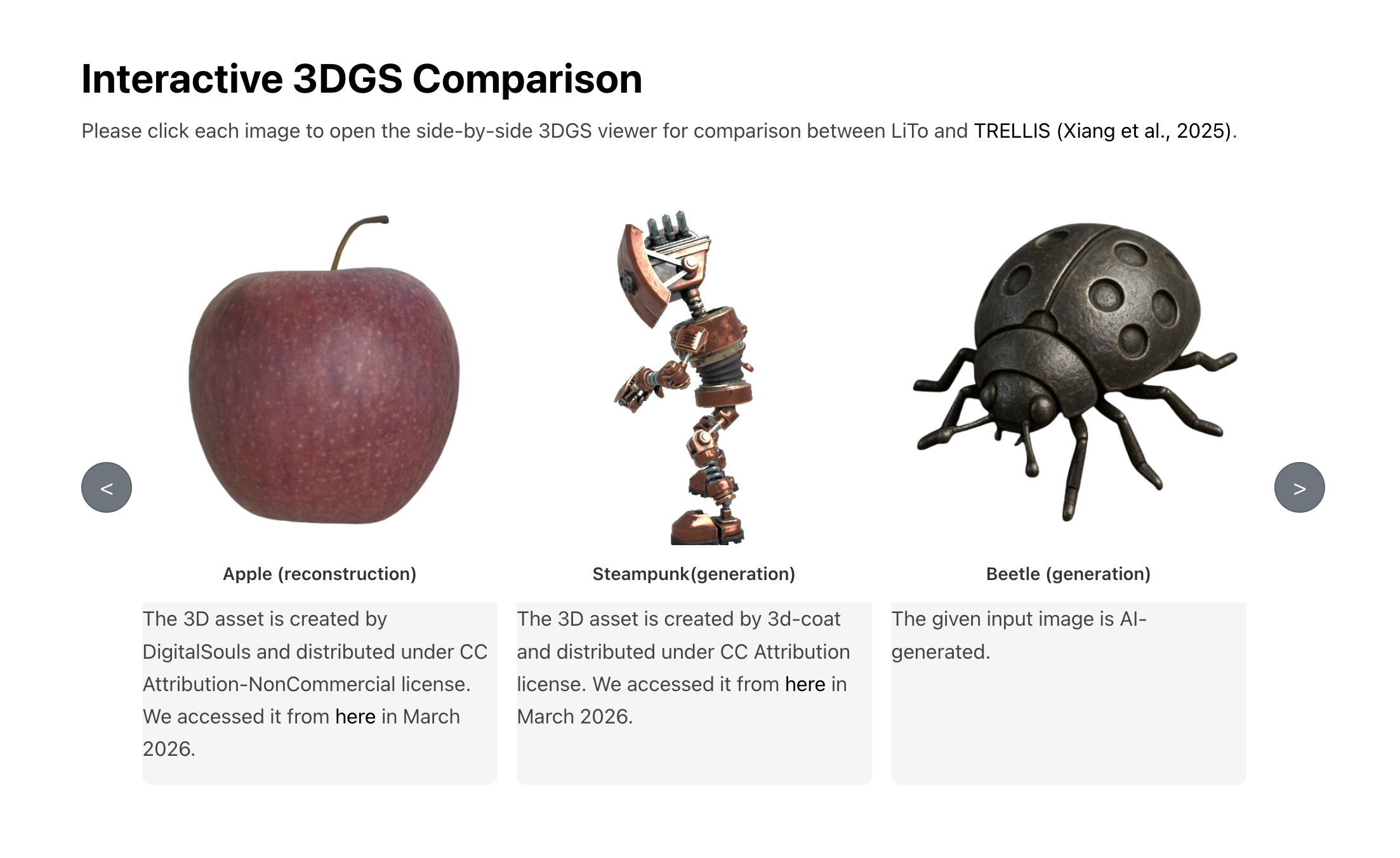
Apple's ML-LITO research focuses on improving machine learning efficiency and deployment strategies. Work in this area is particularly important as AI systems continue expanding onto edge devices and consumer hardware.
LeRobot
LeRobot continues to be one of the most exciting open robotics initiatives. By lowering barriers to experimentation with humanoid robots and embodied AI systems, it helps make robotics research more accessible to a wider community.
LocateAnything
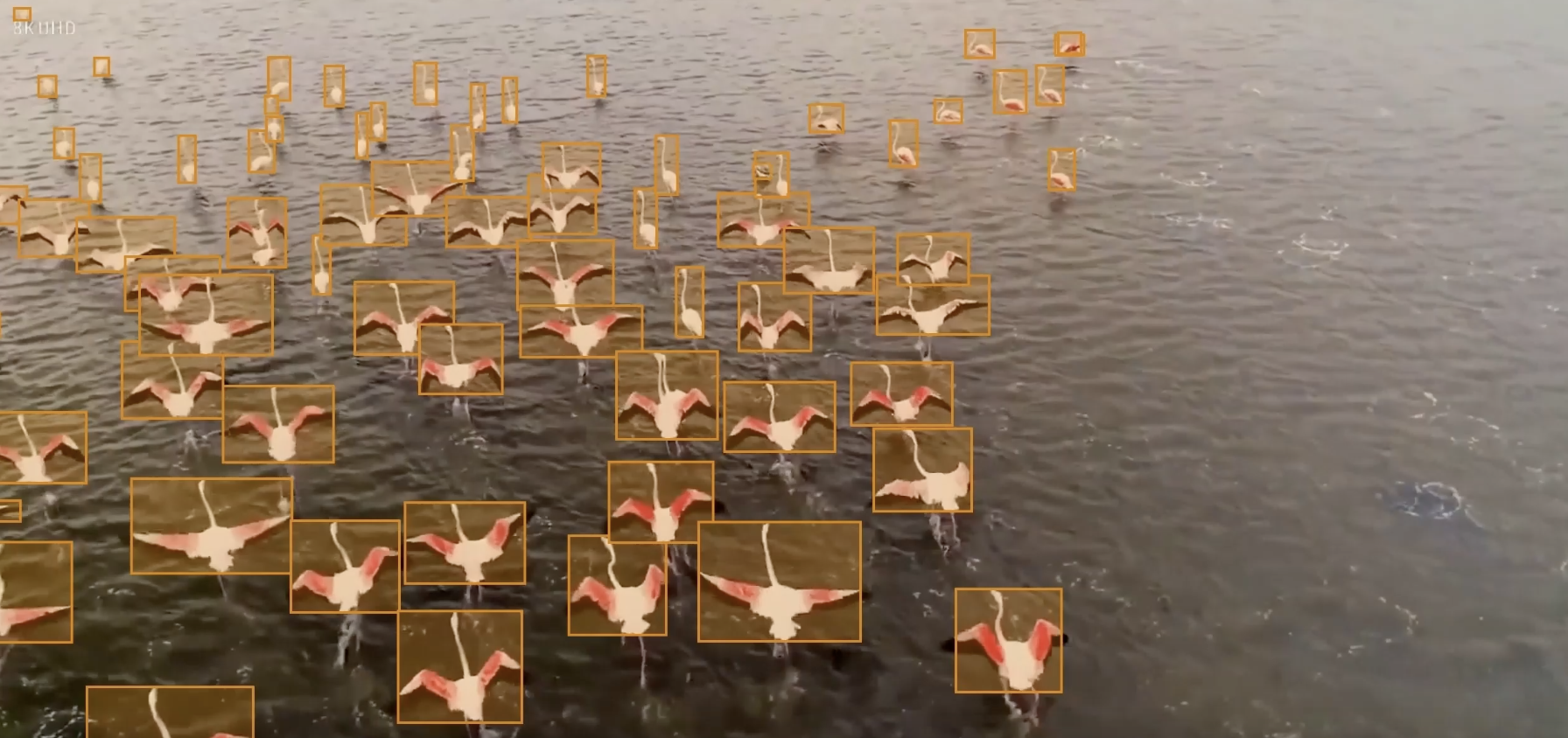
NVIDIA's LocateAnything focuses on helping AI systems understand object locations and spatial relationships within images. This capability has applications in editing, accessibility, robotics, and visual understanding.
PiD

PiD explores spatial understanding and perception within AI systems. Research like this contributes to the foundation required for embodied intelligence and real-world interaction.
PhysX-Omni
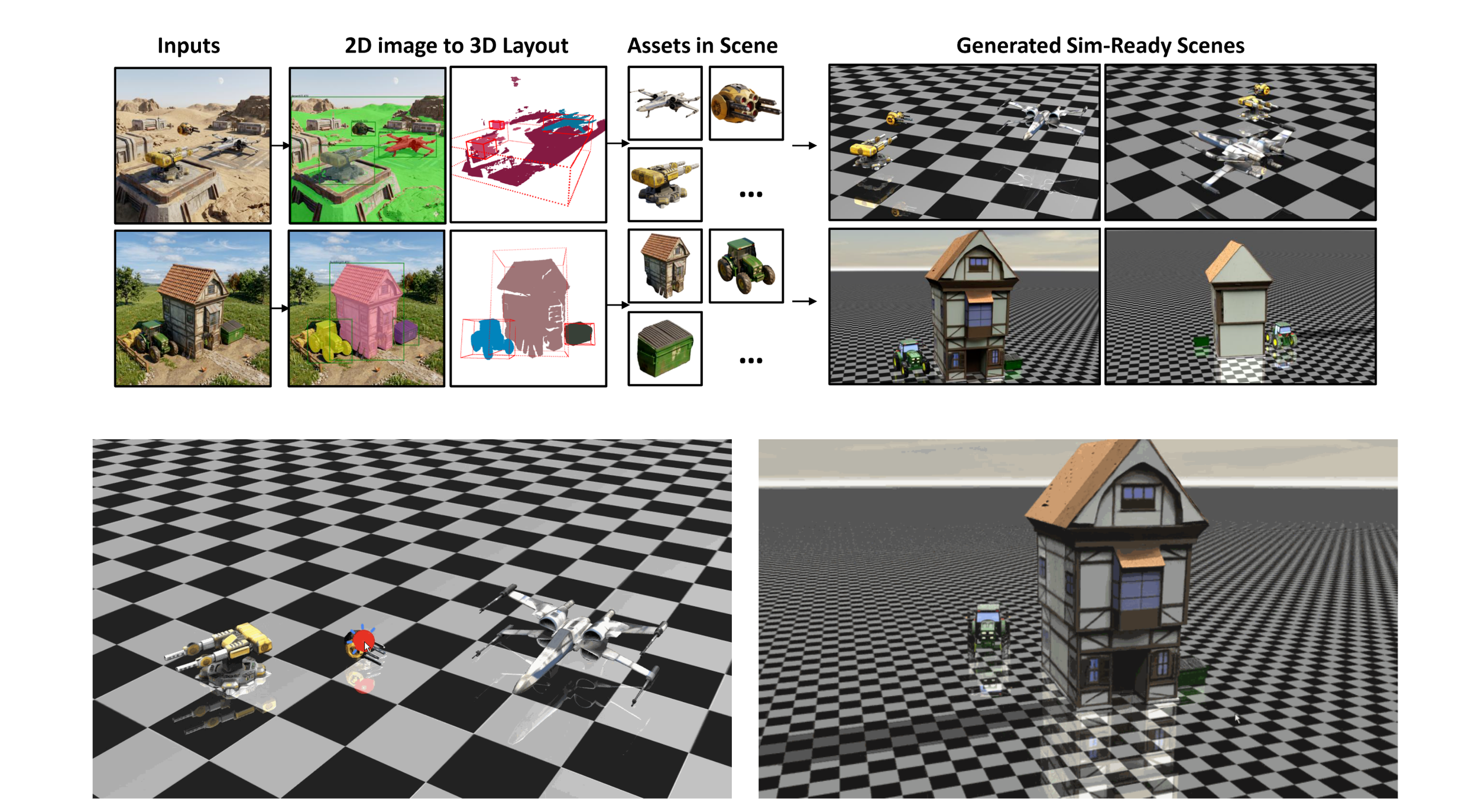
PhysX-Omni combines AI with physics-aware simulation, enabling more realistic virtual environments. Such systems are increasingly important for robotics training, simulation, and digital twin development.
Gamma World
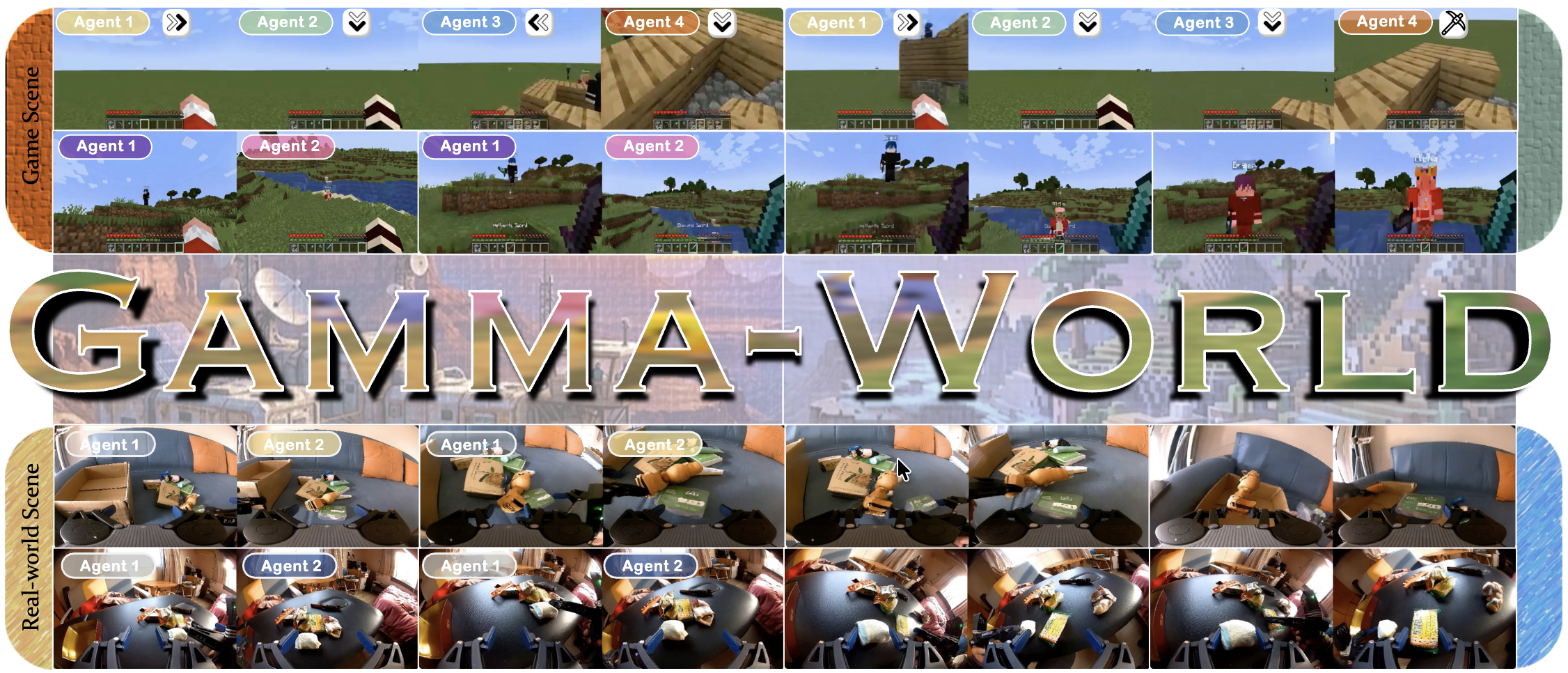
Gamma World investigates world models capable of simulating environments and predicting interactions. World-model research is widely viewed as a key component of future embodied AI systems.
TriSplat
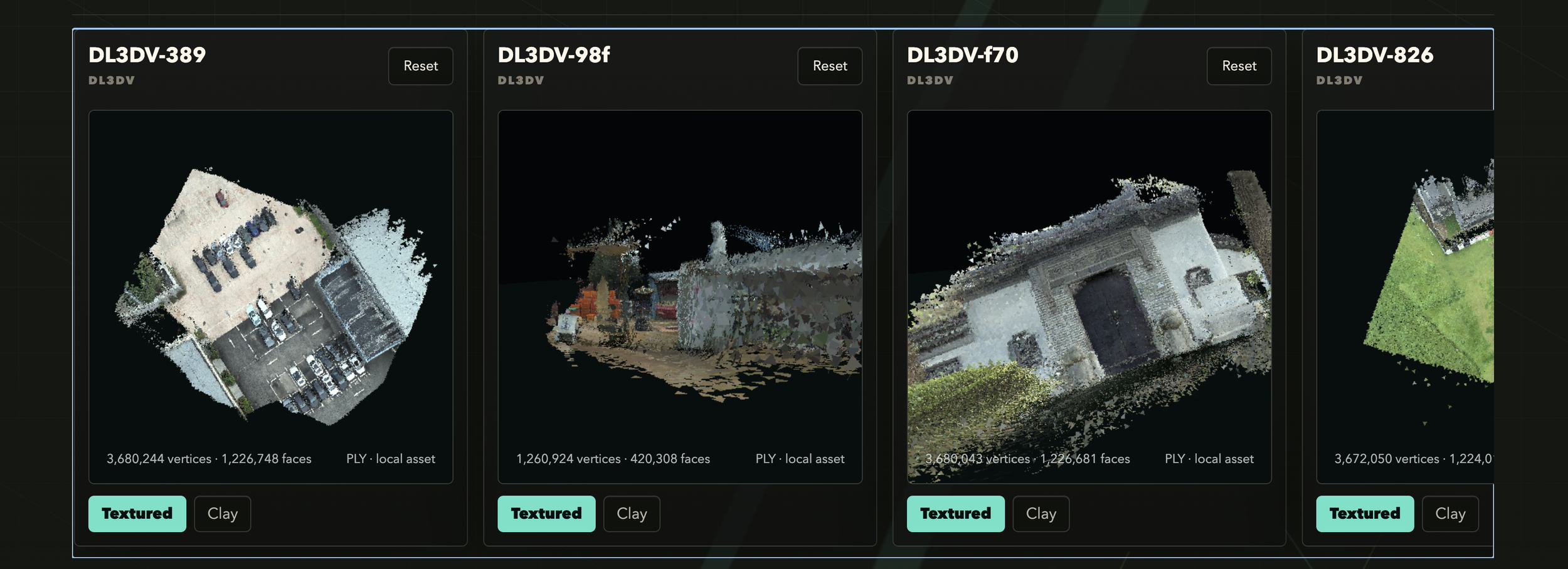
TriSplat is a reconstruction and scene generation system that helps bridge the gap between images and three-dimensional environments. It represents the growing convergence of computer vision, graphics, and AI.
GenRecon
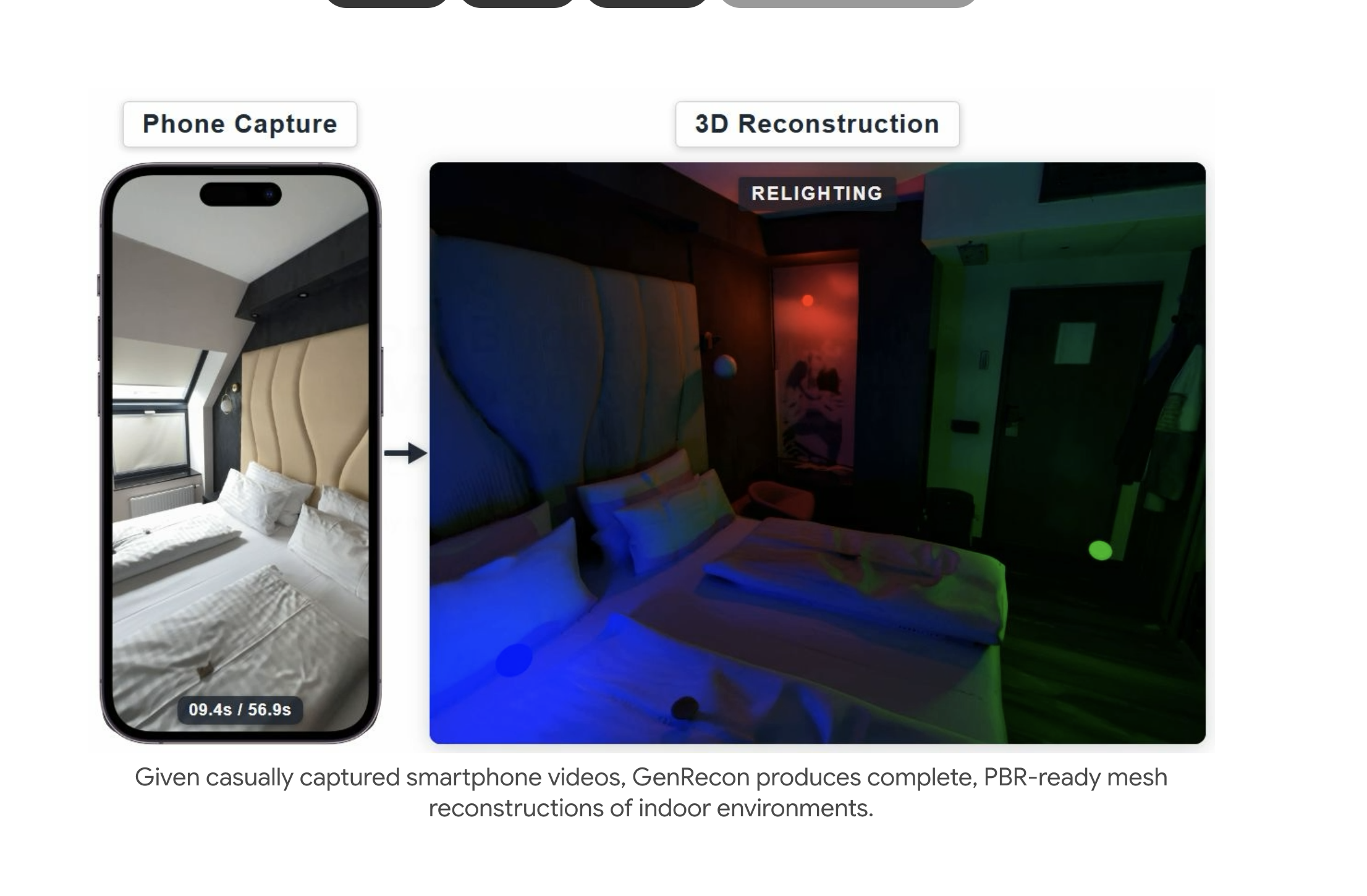
GenRecon focuses on generating high-quality 3D reconstructions from visual data. These technologies are becoming increasingly valuable for virtual production, cultural preservation, and digital content creation.
AnyRecon
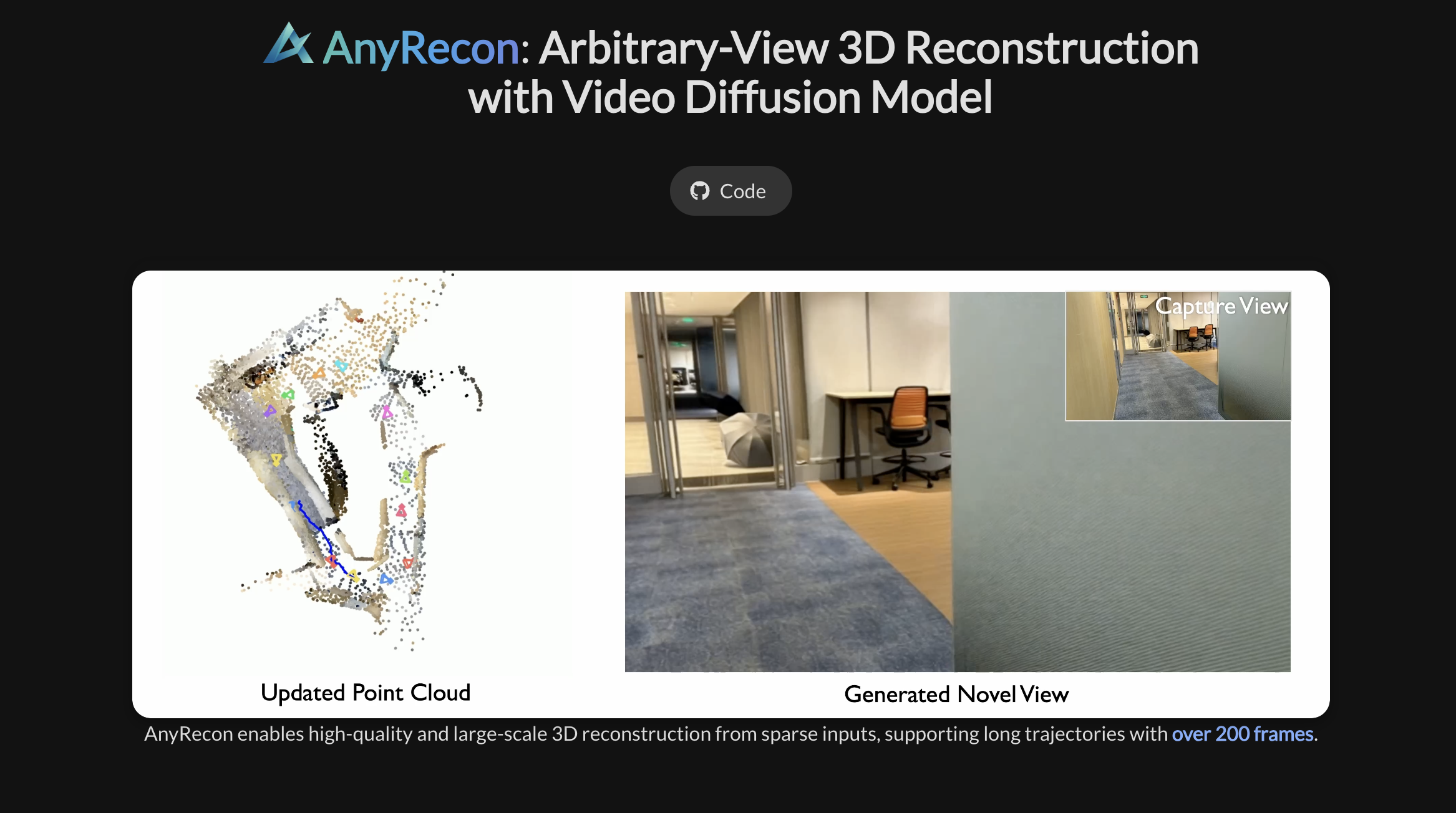
AnyRecon aims to make reconstruction workflows more flexible and broadly applicable across different scene types. It highlights the rapid progress being made in spatial AI and 3D understanding.
Vista4D
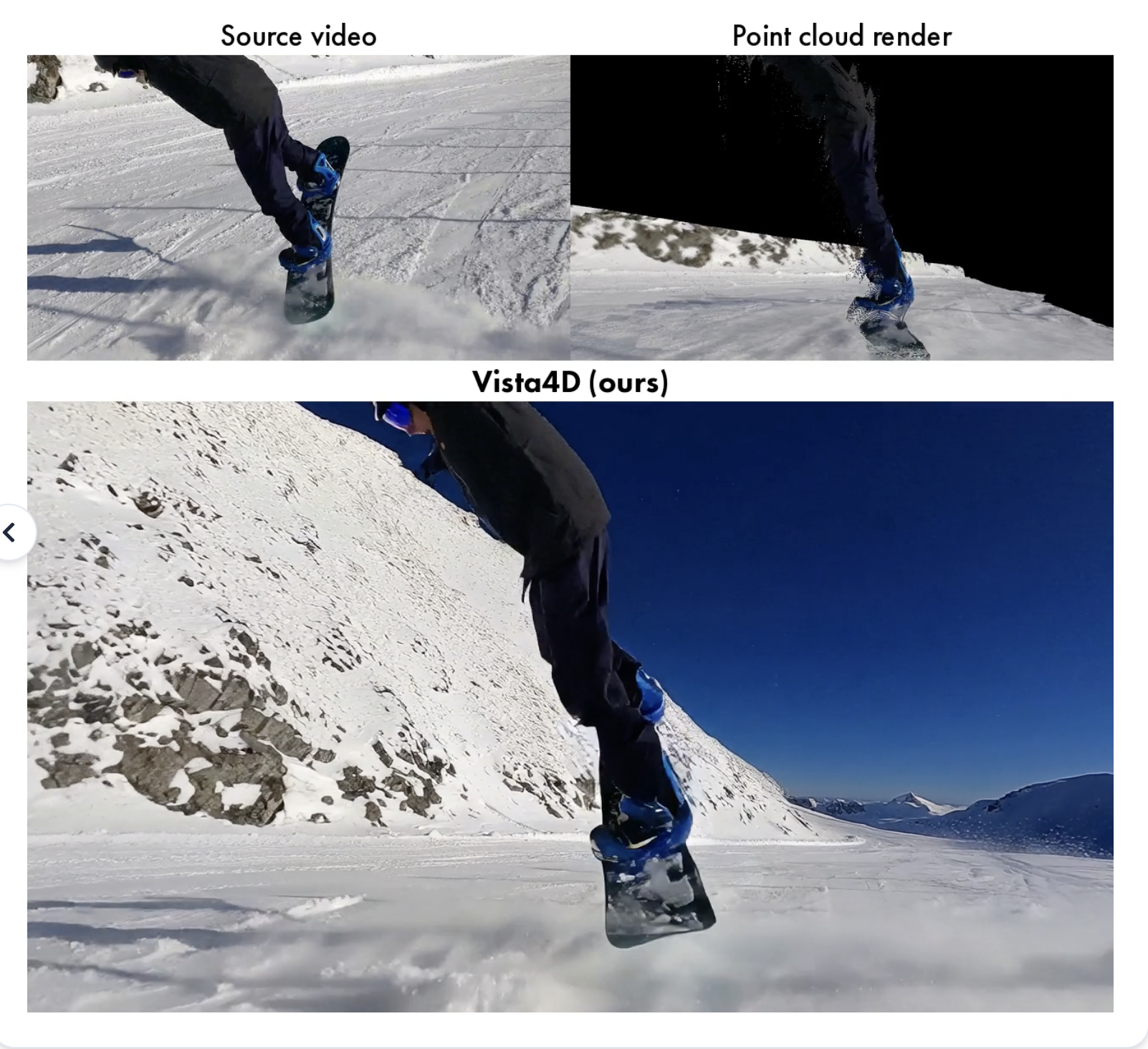
Vista4D explores four-dimensional scene understanding, combining spatial and temporal information. This research has potential applications in video analysis, robotics, and dynamic environment modeling.
CubePart
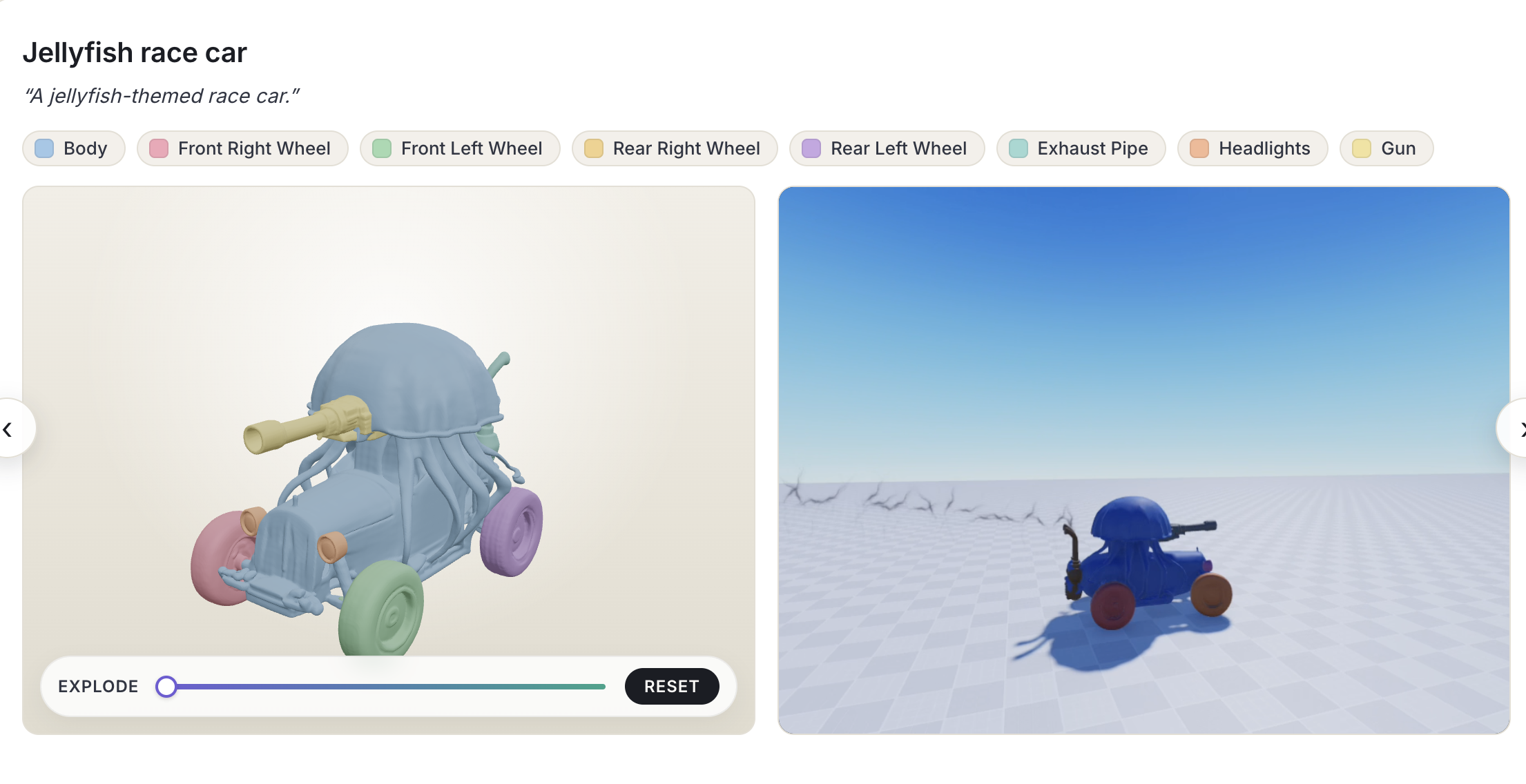
CubePart investigates object decomposition and structured scene understanding. Such capabilities help AI systems better interpret complex environments and individual components.
PanoWorld
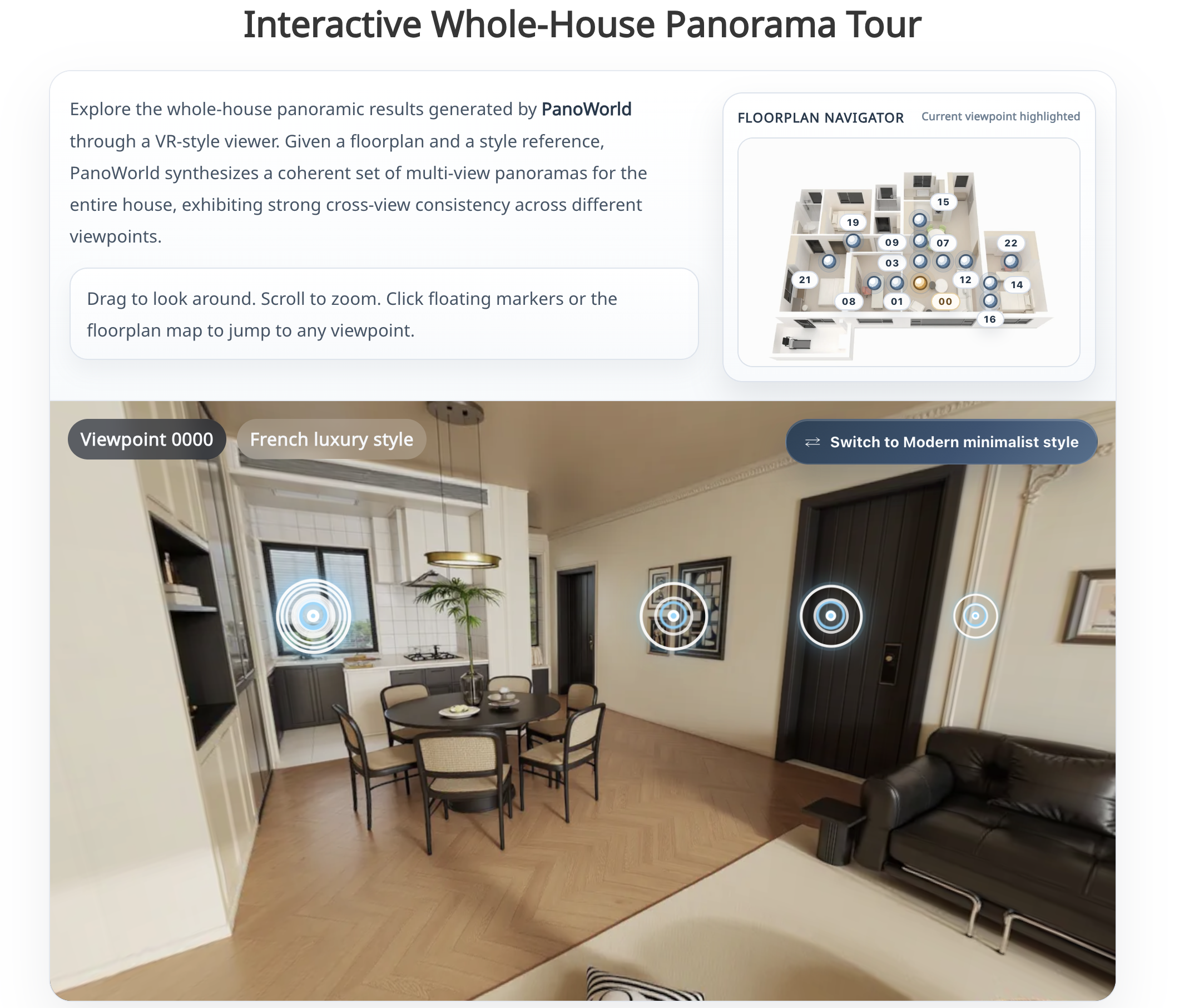
PanoWorld focuses on generating and understanding panoramic environments. It reflects the growing interest in immersive content, world generation, and spatial storytelling.
Pantheon360
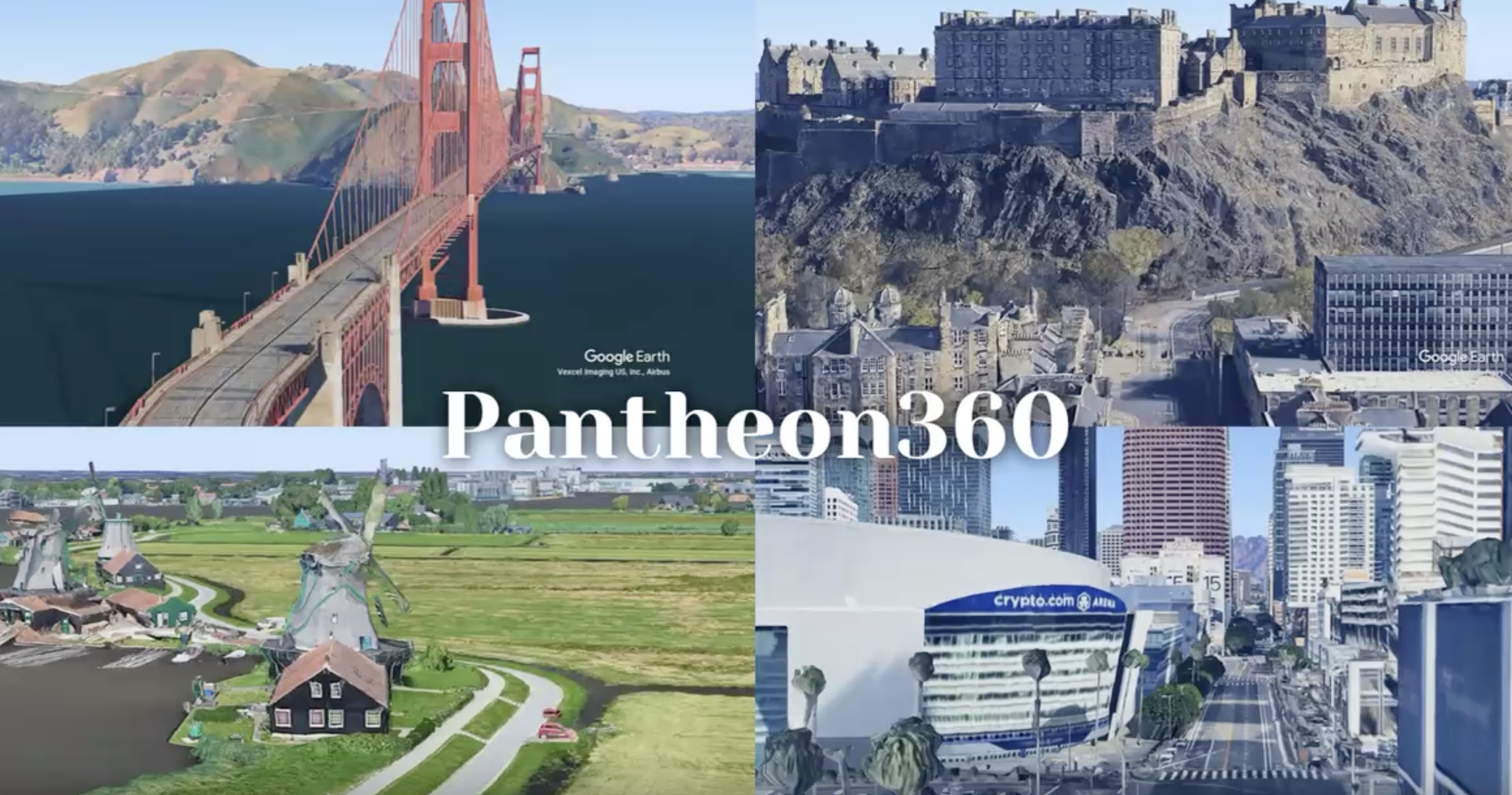
Pantheon360 explores immersive 360-degree content generation and environment creation. Projects like this contribute to future virtual experiences and interactive media workflows.
SCOPE
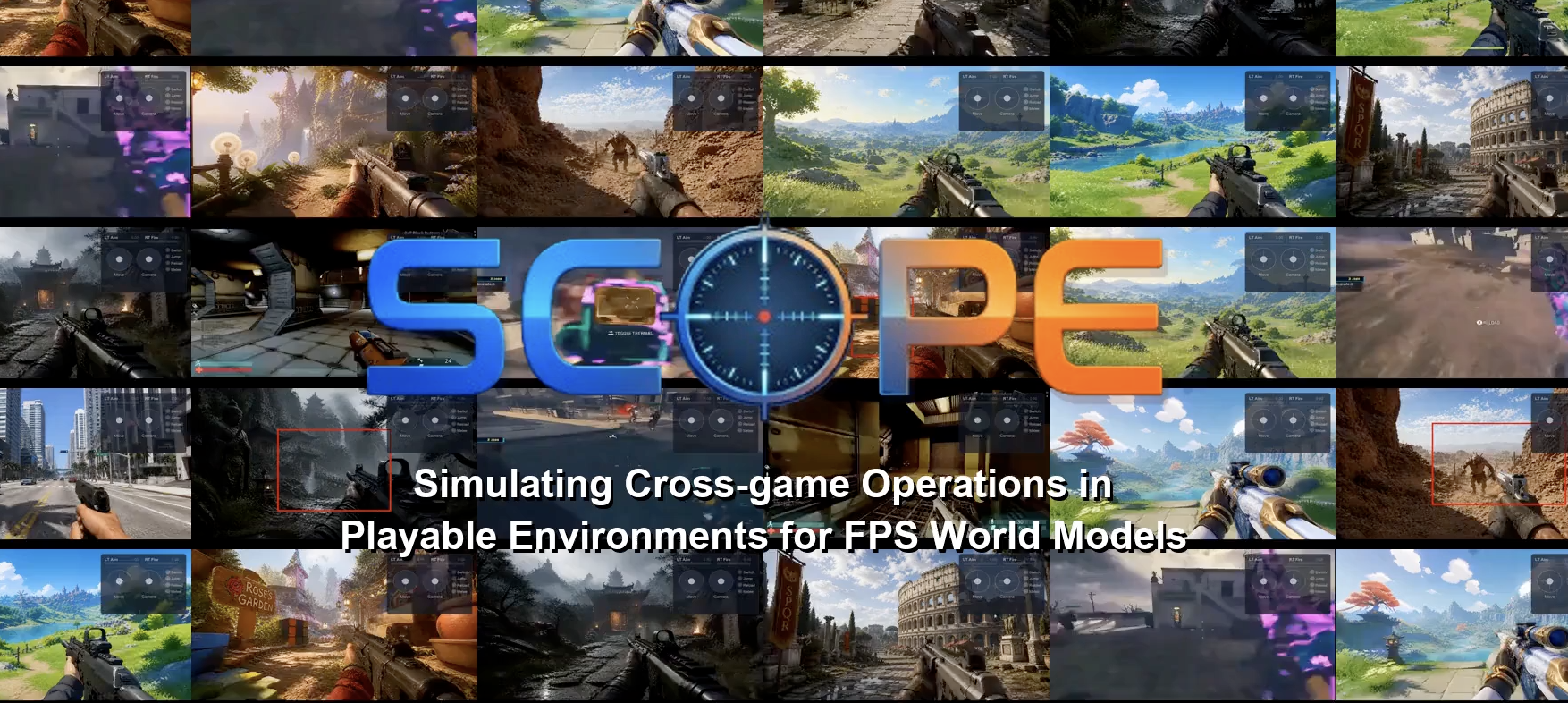
SCOPE investigates scene understanding and structured visual reasoning. Better scene comprehension is critical for both creative tools and embodied AI applications.
BES

BES explores methods for improving visual understanding and representation learning. Research in this area supports more robust image and scene analysis systems.
RHC
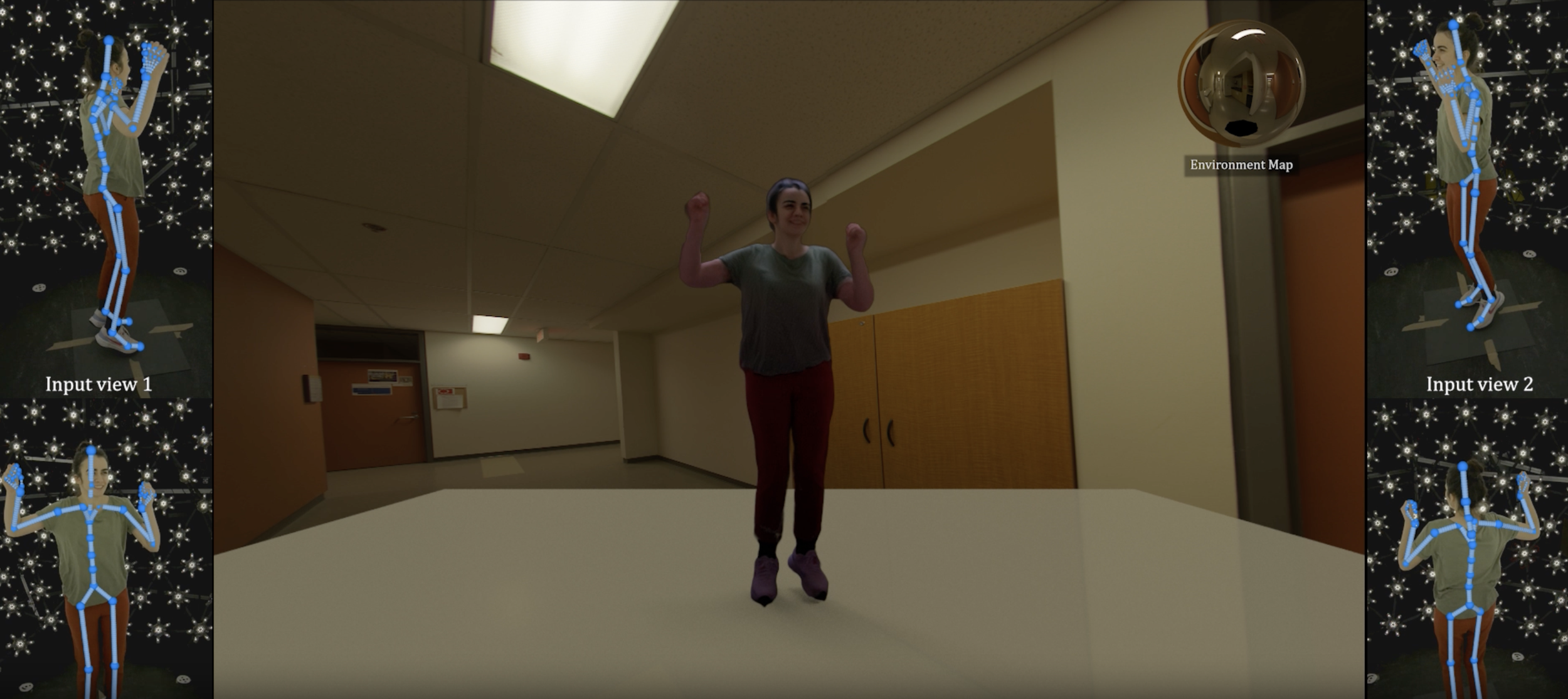
RHC focuses on human-centered understanding and interaction within visual environments. Such systems may eventually improve how AI collaborates with people in creative and practical tasks.
ARA

ARA investigates agent reasoning and adaptive behavior in complex environments. It represents another example of the growing emphasis on AI systems capable of planning and decision-making.
Stable Audio 3
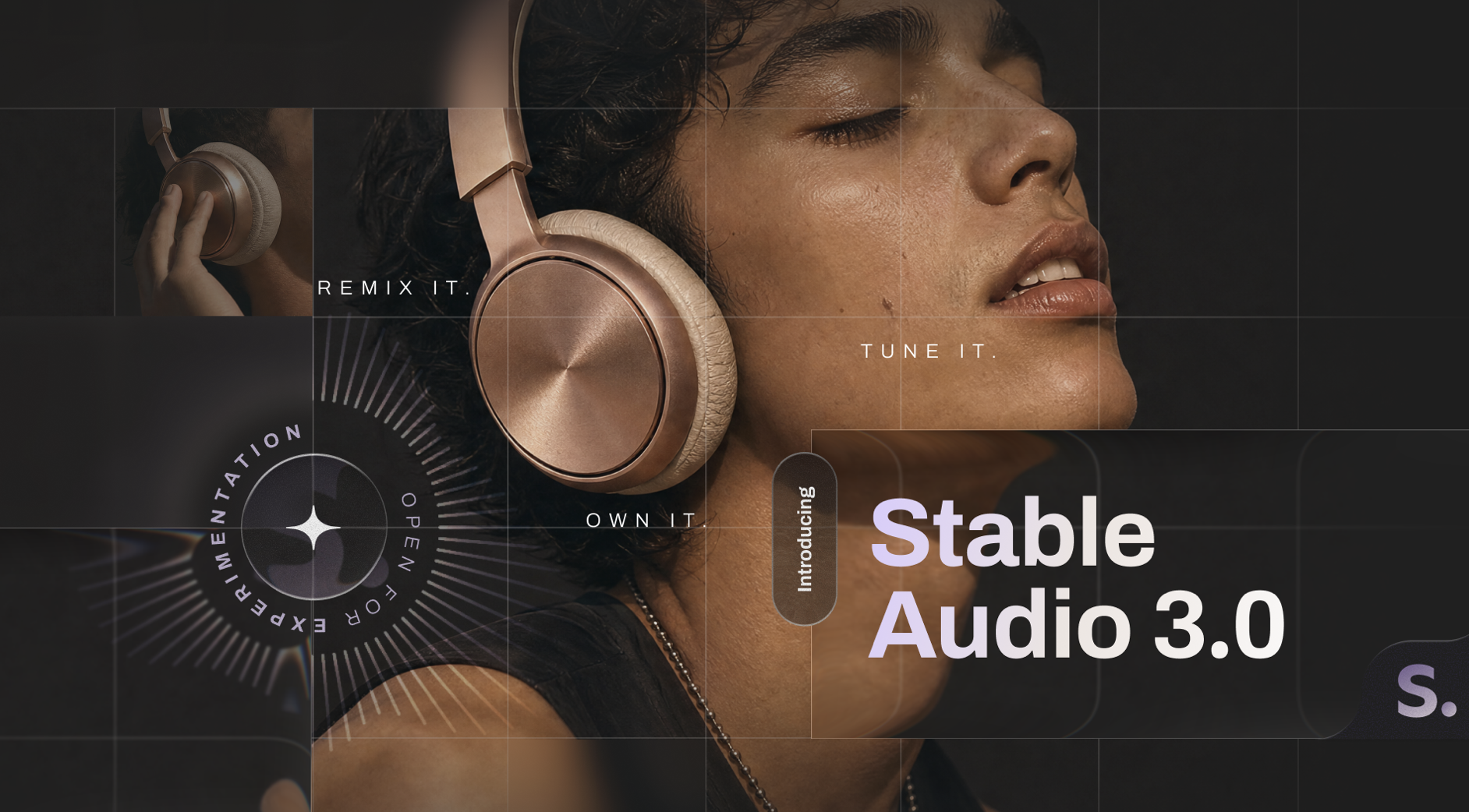
Stable Audio 3 was one of the most significant open audio releases of the month. The project provides creators with greater flexibility for music, sound design, and audio experimentation while maintaining an open-weight approach.
Mega-ASR
Mega-ASR advances automatic speech recognition through improved transcription capabilities. As voice interfaces become more common, systems like Mega-ASR are increasingly important.
WavFlow
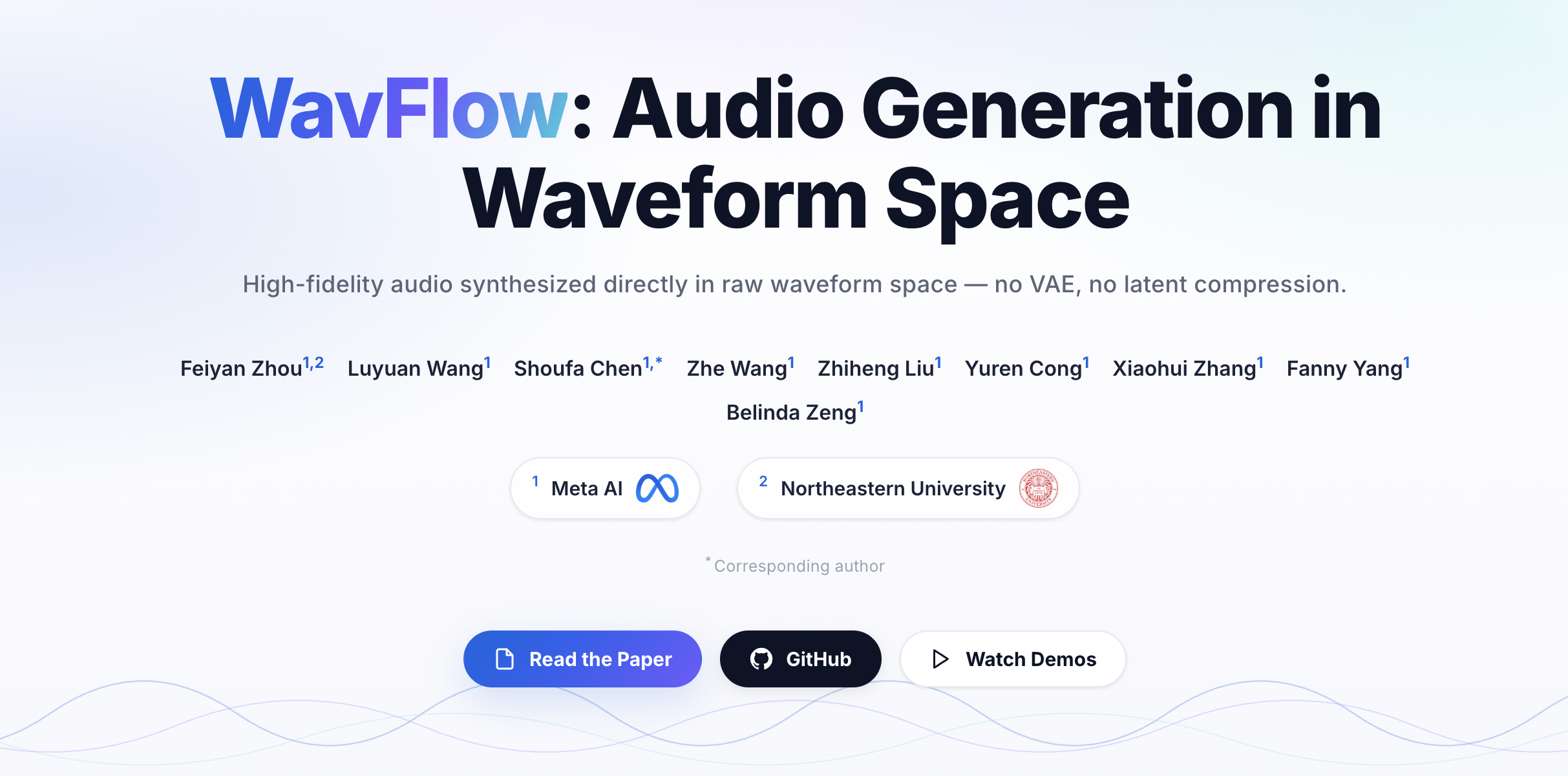
WavFlow focuses on audio generation and understanding. The project highlights continued progress toward richer multimodal systems capable of working seamlessly across text, image, video, and sound.
Bonsai Image 4B

Bonsai Image 4B demonstrates how smaller image-generation models continue becoming more capable and efficient. Compact models remain valuable for local deployment and resource-constrained workflows.
Final Thoughts
May 2026 was not defined by a single breakthrough model, record-setting benchmark, or headline-grabbing launch.
Instead, it was a month that highlighted the growing maturity of the AI ecosystem as a whole.
Across video generation, software development, scientific research, robotics, spatial computing, and creative workflows, the most interesting developments were not isolated tools but increasingly complete systems. Models are becoming agents, generators are becoming production tools, and research projects are evolving into practical workflows that can be integrated into real-world creative and technical environments.
Several themes appeared repeatedly throughout the month. Creative control is becoming more important than raw generation quality. Open models continue to accelerate and diversify. Scientific AI is moving beyond information retrieval and into discovery. Robotics and embodied intelligence are becoming more accessible. Audio is rapidly becoming a first-class AI interface. Most importantly, AI systems are beginning to work together rather than exist as standalone capabilities.
The future of AI is not just about better models. It is about combining these tools with cameras, fabrication technologies, robotics, software development, design, education, research, and creative production. The projects highlighted throughout this roundup offer a snapshot of that transition in progress.
If April felt like a month focused on models, May felt like a month focused on systems.
And for many of these technologies, the most interesting developments are only just beginning.
Projects covered: 59
Topics: Video • Agents • Robotics • Research • Audio • Spatial AI • Open Models • Creative Tools
See you next month.
